
Understanding Thermal Conductivity Coefficients in Insulation Coating Manufacturing Plants
When selecting insulation coatings for manufacturing plants, understanding the thermal conductivity coefficient is crucial. This coefficient, often denoted as λ (lambda), measures how effectively a material conducts heat
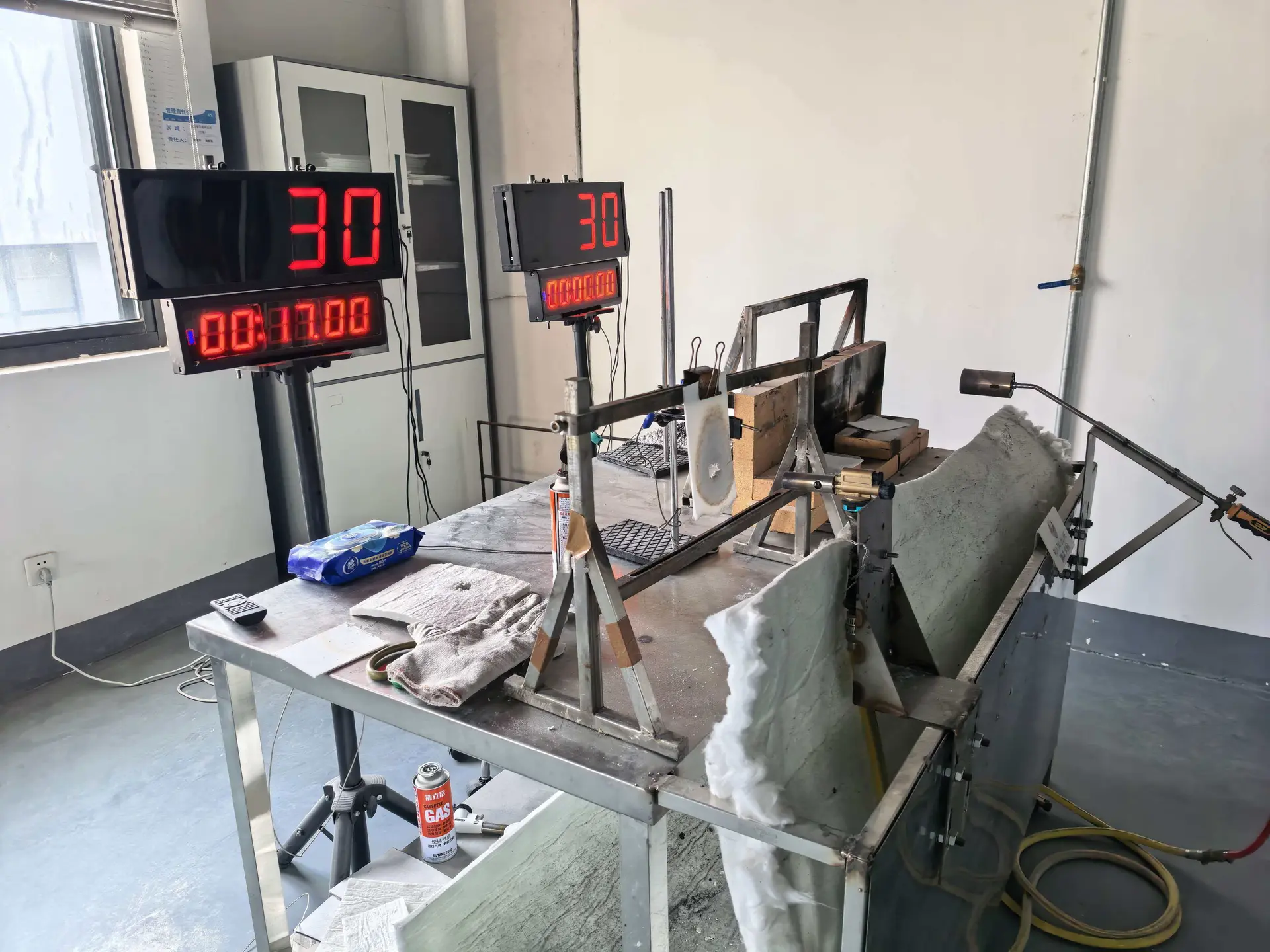
Overview
When selecting insulation coatings for manufacturing plants, understanding the thermal conductivity coefficient is crucial. This coefficient, often denoted as λ (lambda), measures how effectively a material conducts heat. In this article, we will explore the significance of thermal conductivity coefficients in the context of insulation coatings and how they impact the performance and efficiency of industrial applications.
What is the Thermal Conductivity Coefficient and Why is it Important?
The thermal conductivity coefficient (λ) is a measure of a material's ability to conduct heat. It is typically expressed in watts per meter-kelvin (W/m·K). A lower thermal conductivity coefficient indicates better insulation properties, meaning the material is more effective at preventing heat transfer. In manufacturing plants, where maintaining specific temperatures is critical, choosing an insulation coating with a low thermal conductivity coefficient can significantly enhance energy efficiency and reduce operational costs.
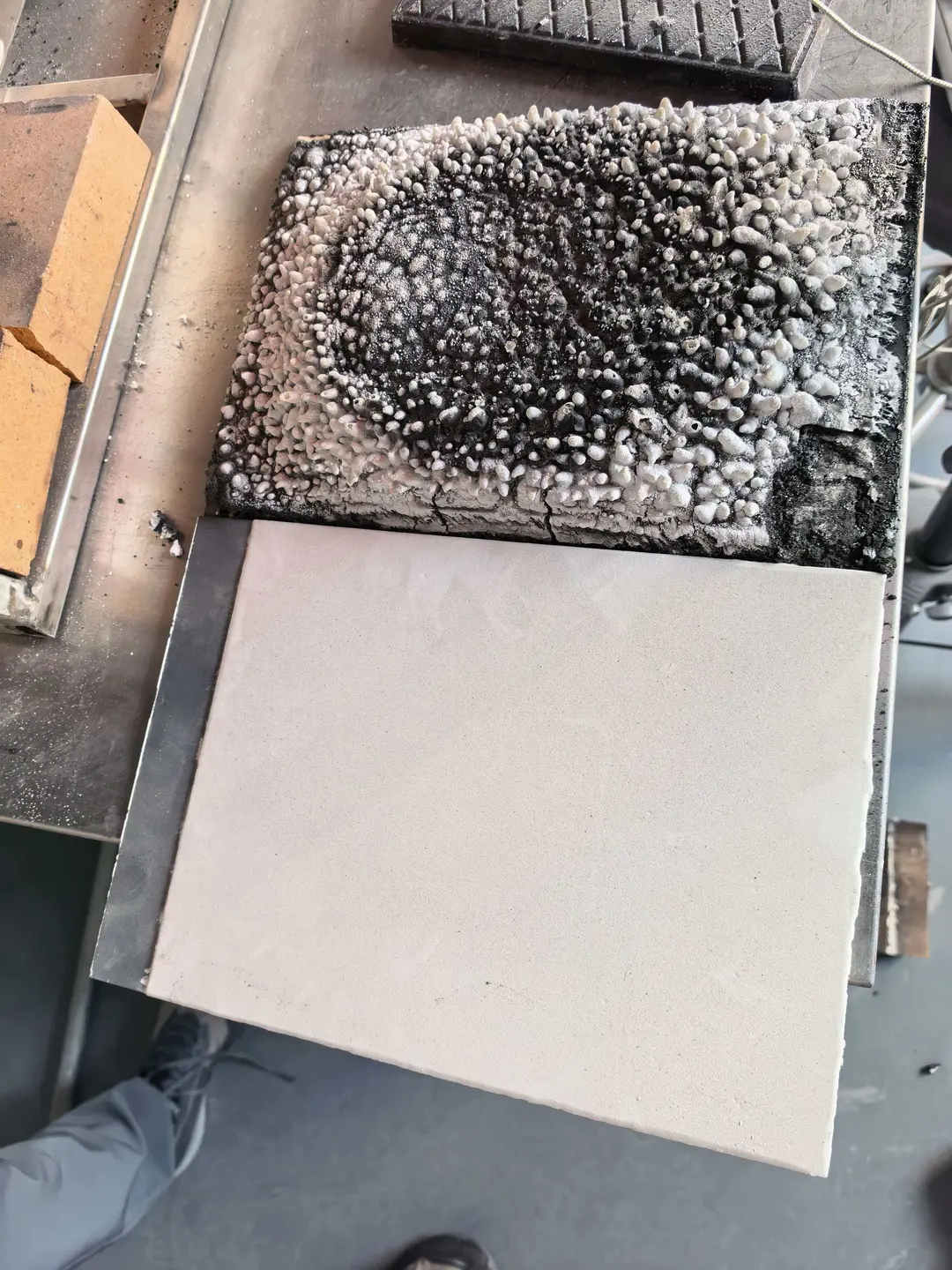
How Does Thermal Conductivity Impact Insulation Coating Performance?
Thermal conductivity directly affects the performance of insulation coatings. Materials with low thermal conductivity, such as aerogel-based coatings, are highly effective at minimizing heat transfer. This property is essential in high-temperature environments, where the goal is to maintain a consistent temperature within the plant. By using coatings with low thermal conductivity, manufacturers can ensure that their equipment operates efficiently, reducing the need for additional cooling or heating, and thereby saving energy.
Key Factors Influencing Thermal Conductivity
Material Composition: The type of materials used in the coating, such as polymers, ceramics, or aerogels, significantly impacts thermal conductivity.Thickness: Increasing the thickness of the coating can further reduce heat transfer, but there are practical limits to consider.
Application Method: Proper application techniques, such as spray or brush, can ensure uniform coverage and optimal performance.
Selecting the Right Insulation Coating for Your Plant
Choosing the right insulation coating involves considering several factors, including the specific operating conditions and the desired thermal performance. Here is a comparison of common insulation coatings based on their thermal conductivity coefficients:
| Coating Type | Thermal Conductivity (W/m·K) | Application |
|---|---|---|
| Aerogel-Based Coating | 0.015 - 0.030 | High-temperature machinery, narrow pipelines |
| Ceramic Coating | 0.05 - 0.20 | General industrial applications |
| Polymer Coating | 0.03 - 0.10 | Moderate temperature environments |
Selection depends on the specific requirements of your plant. For example, aerogel-based coatings are ideal for high-temperature applications due to their ultra-low thermal conductivity, while ceramic and polymer coatings may be suitable for less demanding environments.
cowinmaterials' Capabilities in Insulation Coatings
cowinmaterials offers a range of high-performance insulation coatings designed to meet the stringent demands of industrial applications. Our products, such as aerogel-based and ceramic coatings, are engineered to provide superior thermal insulation and durability. We support bulk spot wholesale, formula OEM customization, and custom size cutting processing, ensuring that our solutions fit your specific needs. Our pre-sales services include working condition selection guidance, heat and corrosion resistance parameter calculation, export compliance consulting, and cross-border logistics planning. Post-sale, we offer damaged goods replenishment, remote technical guidance for on-site construction, and long-term warranty support for engineering projects.
Frequently Asked Questions
What is the typical thermal conductivity range for insulation coatings?
Insulation coatings typically have a thermal conductivity range between 0.015 W/m·K and 0.20 W/m·K, depending on the material composition and application.
How does the thickness of the coating affect its thermal conductivity?
Increasing the thickness of the coating can reduce heat transfer, but there are practical limits. Thicker coatings may also add weight and increase application complexity.
Can you provide samples for testing before bulk purchase?
Yes, cowinmaterials provides samples for testing to ensure that our products meet your specific requirements. Contact us at davidsha@cowinmaterials.com to request a sample.
Optimize Your Plant's Thermal Efficiency with cowinmaterials
Understanding the thermal conductivity coefficient is essential for selecting the right insulation coating for your manufacturing plant. By choosing coatings with low thermal conductivity, you can enhance energy efficiency, reduce operational costs, and ensure the longevity of your equipment. For more information and to discuss your specific needs, contact us today.