
Understanding Aerogel Material Thermal Conductivity in Industrial Manufacturing Processes
When it comes to selecting the right thermal insulation material for industrial manufacturing processes, understanding the thermal conductivity of aerogel is crucial. This article will help you understand how aerogel's u
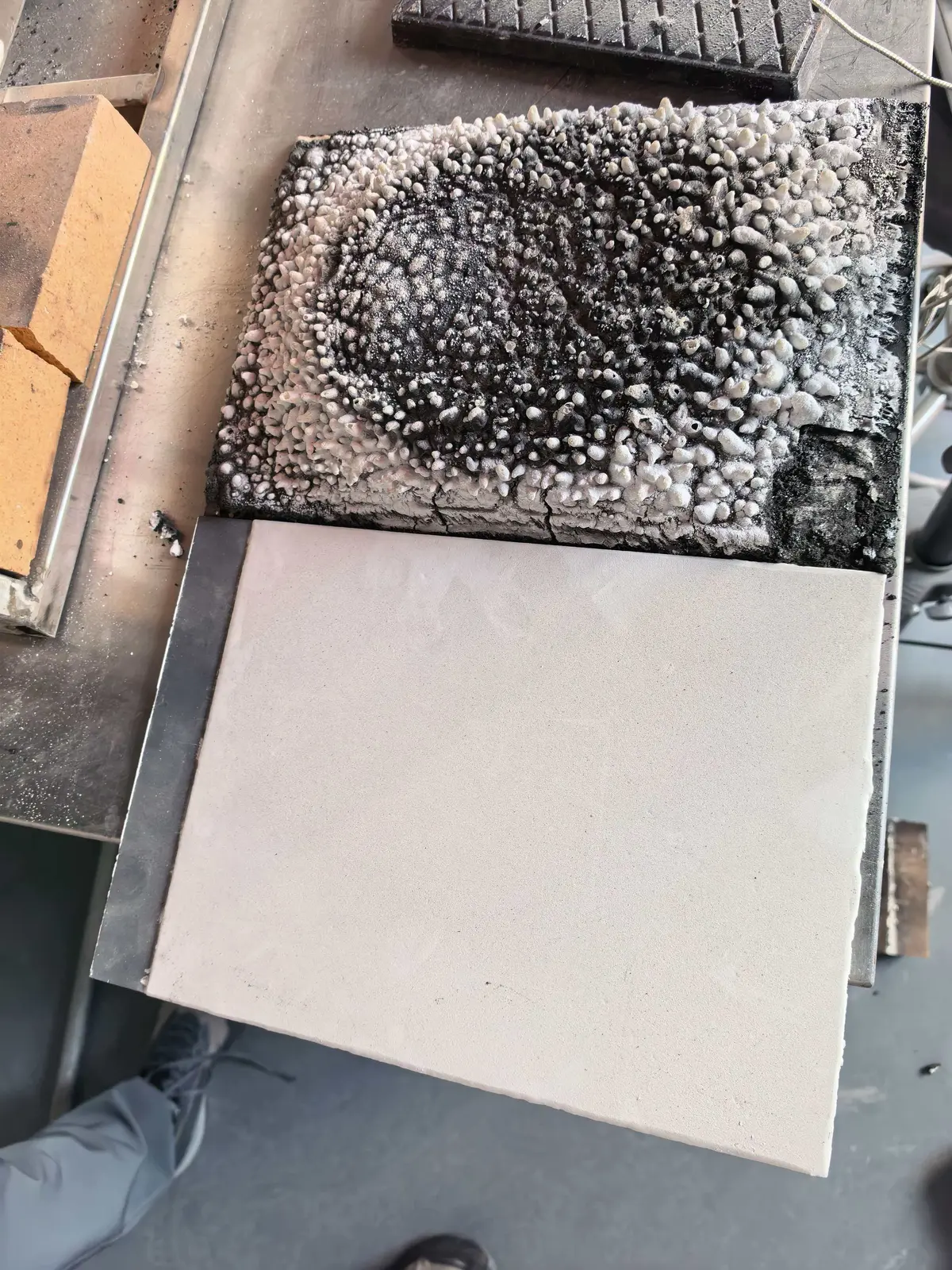
Overview
When it comes to selecting the right thermal insulation material for industrial manufacturing processes, understanding the thermal conductivity of aerogel is crucial. This article will help you understand how aerogel's ultra-low thermal conductivity makes it an ideal choice for applications requiring high thermal efficiency and space-saving solutions.
What is the Thermal Conductivity of Aerogel and Why Does It Matter?
The primary keyword here is "thermal conductivity." Aerogel has an exceptionally low thermal conductivity, typically ranging from 0.013 to 0.018 W/m·K. This property is what makes aerogel a superior insulating material compared to traditional options like fiberglass or foam. The low thermal conductivity of aerogel ensures that heat transfer is minimized, which is essential in industrial settings where maintaining specific temperature conditions is critical.
Factors Affecting Aerogel's Thermal Conductivity
Several factors can influence the thermal conductivity of aerogel, including its density, porosity, and the type of gas within the pores. For instance, aerogels with lower densities and higher porosities generally have better insulating properties. Additionally, the presence of air or other gases in the pores can also affect thermal performance. Selection depends on the specific application requirements and environmental conditions.
How Does Aerogel Perform Under Different Operating Conditions?
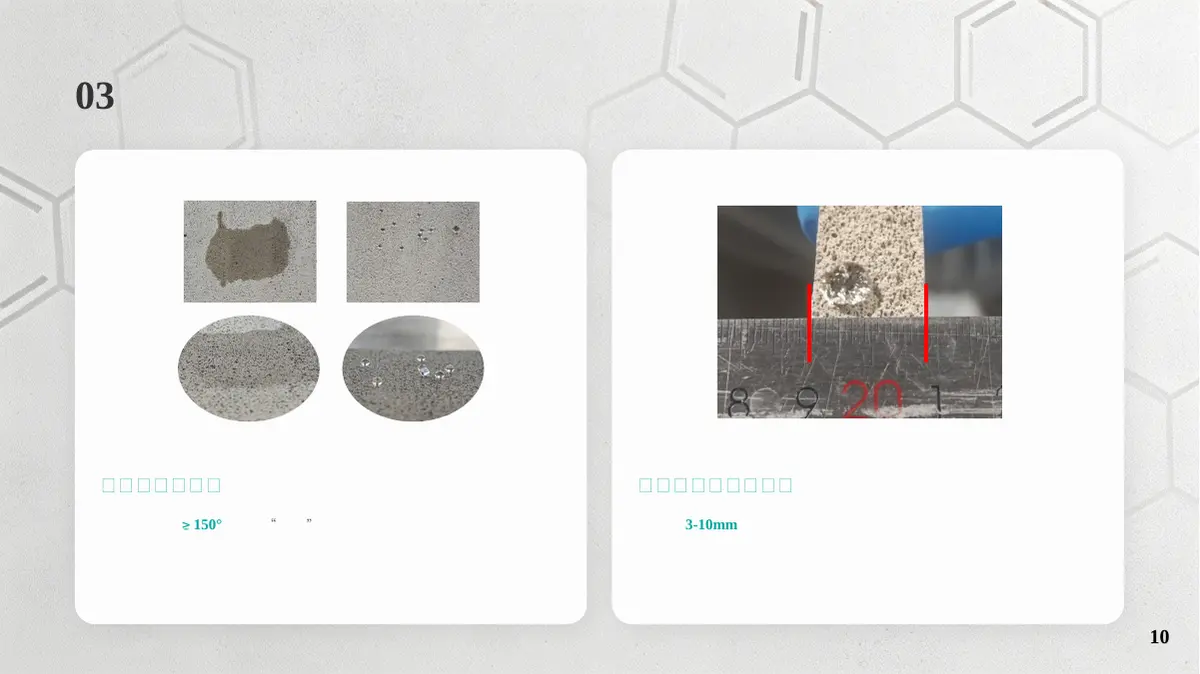
Aerogel's performance under various operating conditions is another key consideration. Confirmed technical facts show that aerogel can maintain its insulating properties even at extreme temperatures, both hot and cold. For example, aerogel can withstand temperatures up to 650°C, making it suitable for high-temperature industrial processes. Furthermore, aerogel is highly resistant to moisture, which is beneficial in environments with high humidity or frequent exposure to water.
Suitability for Specific Applications
Aerogel's suitability should be assessed against the specific needs of the application. For instance, in the petrochemical industry, aerogel blankets are used to insulate pipelines and equipment, reducing heat loss and improving energy efficiency. In the aerospace sector, aerogel's lightweight and high insulating properties make it ideal for thermal protection systems. The appropriate configuration may vary with the specific requirements of the project, such as the need for flexibility, thickness, and ease of installation.
Comparing Aerogel with Other Insulation Materials
To better understand the advantages of aerogel, let's compare it with other common insulation materials. The following table provides a concise comparison:
| Property | Aerogel | Fiberglass | Foam |
|---|---|---|---|
| Thermal Conductivity (W/m·K) | 0.013 - 0.018 | 0.032 - 0.044 | 0.022 - 0.030 |
| Temperature Range (°C) | -200 to 650 | -120 to 232 | -50 to 150 |
| Moisture Resistance | High | Moderate | Low |
| Flexibility | High | Low | Moderate |
This table clearly shows that aerogel offers superior thermal conductivity, a wider temperature range, and better moisture resistance compared to traditional insulation materials.
Quzhou Qiying Import & Export Co., Ltd. Capabilities in Aerogel Solutions
Quzhou Qiying Import & Export Co., Ltd., known as cowinmaterials, specializes in providing high-quality aerogel insulation materials. Our products are designed to meet the stringent requirements of industrial manufacturing processes. We offer custom size cutting processing and formula OEM customization, ensuring that our solutions fit your specific project needs. Our pre-sales services include working condition selection guidance and export compliance consulting, while our after-sales support covers damaged goods replenishment and long-term warranty support.
Frequently Asked Questions
What are the main benefits of using aerogel for industrial insulation?
Aerogel offers ultra-low thermal conductivity, excellent moisture resistance, and high flexibility, making it ideal for industrial insulation. It also maintains its insulating properties over a wide temperature range, from -200°C to 650°C.
Can aerogel be used in high-humidity environments?
Yes, aerogel is highly resistant to moisture, making it suitable for high-humidity environments. This property helps prevent degradation and ensures long-term performance.
How does aerogel compare to traditional insulation materials in terms of cost?
While aerogel may have a higher initial cost, its superior insulating properties and durability can lead to significant long-term savings in energy and maintenance costs. The appropriate choice depends on the specific application and budget constraints.
Conclusion: Enhance Your Industrial Processes with Aerogel Insulation
Understanding the thermal conductivity of aerogel is key to leveraging its benefits in industrial manufacturing processes. With its ultra-low thermal conductivity, wide temperature range, and moisture resistance, aerogel is an excellent choice for various applications. For more information and to discuss your specific project needs, contact us.