Flame-Retardant Aerogel Material: Manufacturing Standards and Safety Compliance
Flame-retardant aerogel materials are designed to meet stringent safety standards, ensuring they can be used in a wide range of applications where fire resistance is critical. This article will explore the manufacturing

Overview
Flame-retardant aerogel materials are designed to meet stringent safety standards, ensuring they can be used in a wide range of applications where fire resistance is critical. This article will explore the manufacturing standards and safety compliance requirements for flame-retardant aerogel materials, providing insights into their performance, certifications, and suitable applications.
Understanding the Importance of Flame-Retardant Aerogel Materials
Flame-retardant aerogel materials are essential in industries where fire safety is a top priority, such as construction, industrial insulation, and new-energy projects. These materials provide superior thermal insulation and fire resistance, making them ideal for use in high-temperature environments and areas with strict fire safety regulations. The primary benefit of these materials is their ability to prevent the spread of fire, thereby protecting structures and equipment from significant damage.
Key Manufacturing Standards for Flame-Retardant Aerogel Materials
To ensure the quality and safety of flame-retardant aerogel materials, manufacturers must adhere to specific industry standards. These standards cover various aspects, including material composition, thermal conductivity, and fire resistance. Some of the key manufacturing standards include:
ISO 9001: This standard ensures that the manufacturing process is consistent and meets customer requirements.ASTM C1674: This standard specifies the test method for determining the thermal conductivity of aerogel materials.
UL 94: This standard evaluates the flammability of plastic materials for parts in devices and appliances.
Table: Common Manufacturing Standards for Flame-Retardant Aerogel Materials
| Standard | Description |
|---|---|
| ISO 9001 | Quality management system |
| ASTM C1674 | Thermal conductivity test method |
| UL 94 | Flammability test for plastics |
Ensuring Safety Compliance
Safety compliance is crucial for flame-retardant aerogel materials, especially in applications where fire risk is high. To meet safety compliance, these materials must pass several tests, including:
RoHS Compliance: Ensures that the materials do not contain hazardous substances, such as lead, mercury, and cadmium.Fire Safety Tests: Includes tests like the UL 94 Vertical Burn Test and the EN 13501-1 Fire Classification Test.
RoHS Compliance
RoHS (Restriction of Hazardous Substances) is a directive that restricts the use of certain hazardous substances in electrical and electronic equipment. Flame-retardant aerogel materials must comply with RoHS to ensure they are safe for use in various applications.
Fire Safety Tests
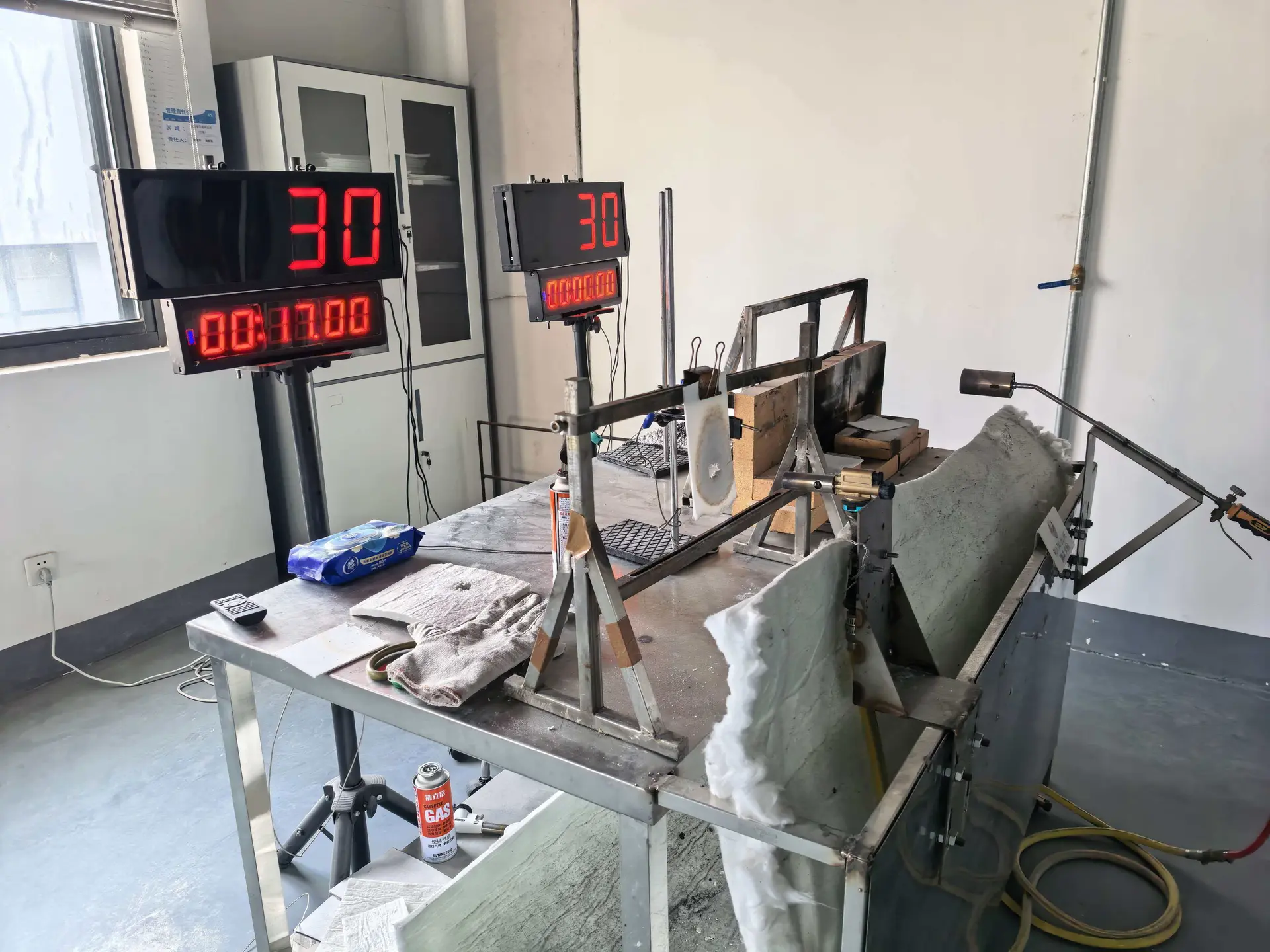
Fire safety tests, such as the UL 94 Vertical Burn Test, evaluate the material's ability to self-extinguish after exposure to a flame. The EN 13501-1 Fire Classification Test classifies the material based on its reaction to fire, including ignitability, flame spread, and heat release.
[cowinmaterials] Capabilities in Flame-Retardant Aerogel Materials
[cowinmaterials] offers a range of flame-retardant aerogel materials that meet the highest standards of quality and safety. Our products are designed to provide exceptional thermal insulation and fire resistance, making them suitable for a variety of applications. We adhere to strict manufacturing standards, including ISO 9001 and ASTM C1674, to ensure consistent quality and performance. Additionally, our products pass rigorous fire safety tests, such as the UL 94 and EN 13501-1, and are RoHS compliant.
For more information on our flame-retardant aerogel materials, visit our product page.
Frequently Asked Questions
What are the key benefits of using flame-retardant aerogel materials?
Flame-retardant aerogel materials provide superior thermal insulation and fire resistance, making them ideal for use in high-temperature environments and areas with strict fire safety regulations. They help prevent the spread of fire and protect structures and equipment from significant damage.
How do flame-retardant aerogel materials comply with safety standards?
Flame-retardant aerogel materials must pass several tests, including RoHS compliance and fire safety tests like the UL 94 Vertical Burn Test and the EN 13501-1 Fire Classification Test. These tests ensure that the materials are safe for use in various applications.
Can you provide examples of applications for flame-retardant aerogel materials?
Flame-retardant aerogel materials are commonly used in construction, industrial insulation, and new-energy projects. They are particularly useful in high-temperature environments and areas with strict fire safety regulations, such as industrial zones, outdoor settings, and damp underground spaces.
Ensuring Safety and Compliance in Your Projects
Understanding the manufacturing standards and safety compliance requirements for flame-retardant aerogel materials is crucial for ensuring the success and safety of your projects. By choosing materials that meet these standards, you can protect your structures and equipment from fire-related risks. For more information or to discuss your specific project needs, contact us.