
Evaluating High-Temperature Resistant Aerogel Manufacturers for Industrial Applications
When evaluating high-temperature resistant aerogel manufacturers for industrial applications, it's essential to consider several key factors such as material properties, operating conditions, and performance data. This a
Overview
When evaluating high-temperature resistant aerogel manufacturers for industrial applications, it's essential to consider several key factors such as material properties, operating conditions, and performance data. This article will guide you through the critical aspects to ensure you select the most suitable aerogel insulation for your specific needs.
Understanding the Material Properties of High-Temperature Resistant Aerogels
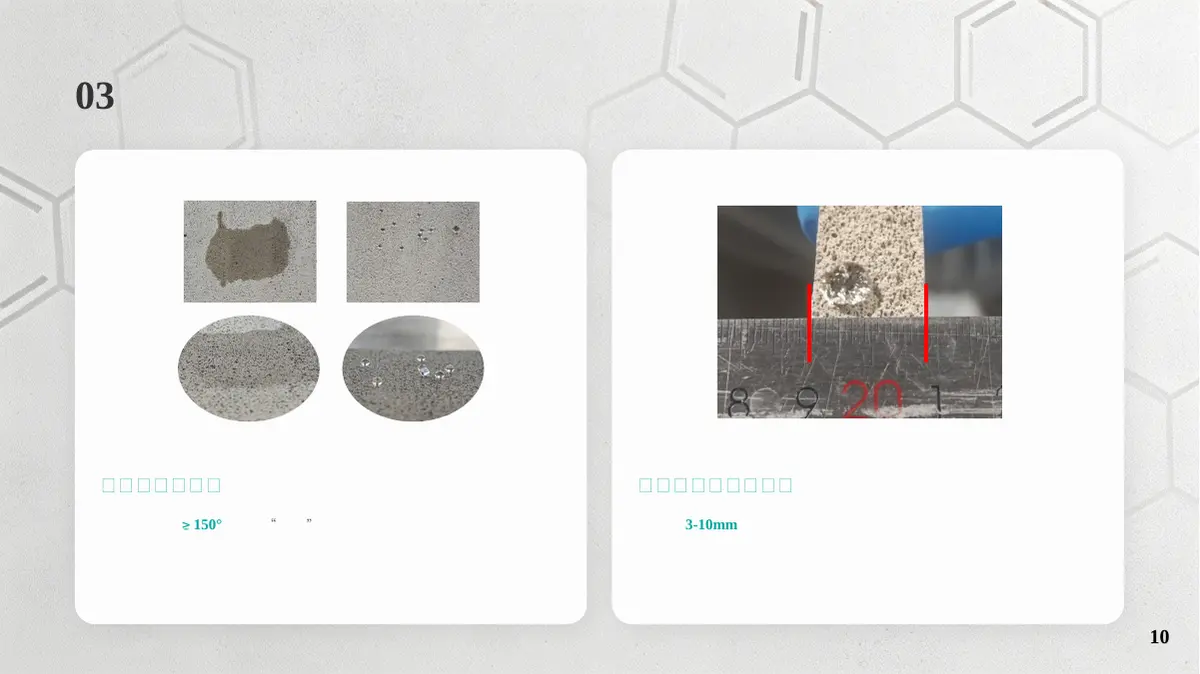
High-temperature resistant aerogels are known for their ultra-low thermal conductivity, making them ideal for industrial applications where heat preservation and noise reduction are crucial. These materials also offer excellent pressure resistance, water repellency, and flame retardancy. The primary benefit of using aerogels in high-temperature environments is their ability to maintain their insulating properties even under extreme conditions.
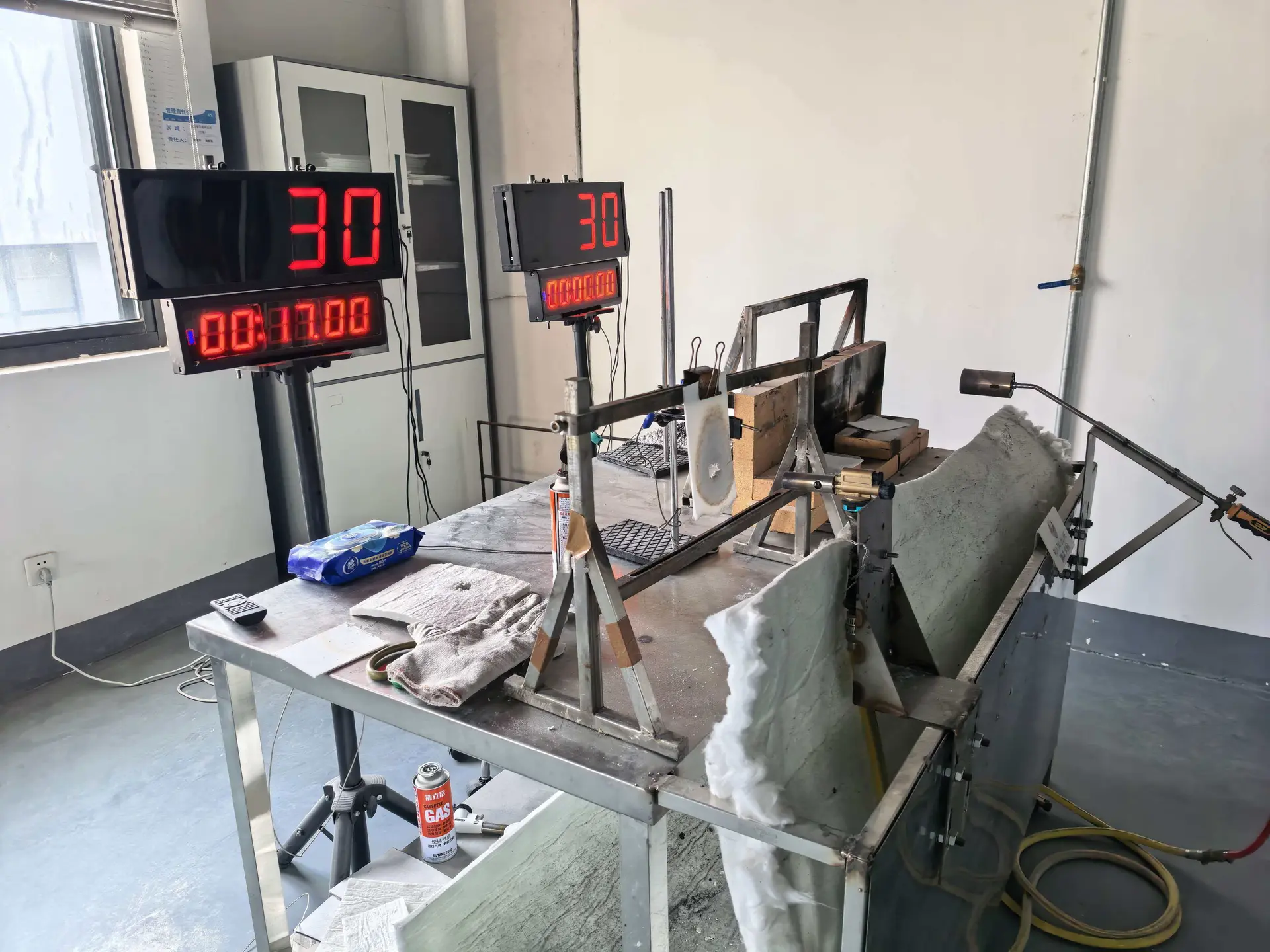
Selection depends on the specific requirements of your application. For instance, if you need an aerogel that can withstand temperatures up to 600°C, you should look for products with a proven track record in similar conditions. Additionally, the material should be tested for flame retardancy and acid-base corrosion resistance to ensure long-term durability.
Operating Conditions and Performance Data
The performance of high-temperature resistant aerogels is highly dependent on the operating conditions. Confirmed operating conditions include temperature ranges, exposure to moisture, and mechanical stress. It is crucial to assess the suitability of the aerogel against these conditions to ensure optimal performance.
Confirmed performance data, such as thermal conductivity, compressive strength, and fire safety certifications, should be provided by the manufacturer. For example, a high-temperature resistant aerogel with a thermal conductivity of 0.015 W/m·K at 600°C would be suitable for applications requiring high thermal insulation. Certifications like RoHS and fire safety tests are also important to verify the product's compliance with international standards.
Comparing High-Temperature Resistant Aerogel Manufacturers
| Manufacturer | Thermal Conductivity (W/m·K) | Temperature Range (°C) | Fire Safety Certification | RoHS Compliance |
|---|---|---|---|---|
| Cowinmaterials | 0.015 | Up to 600 | Yes | Yes |
| Competitor A | 0.020 | Up to 500 | No | Yes |
| Competitor B | 0.018 | Up to 550 | Yes | No |
In the table above, Cowinmaterials offers a superior thermal conductivity of 0.015 W/m·K and a higher temperature range of up to 600°C, along with both fire safety and RoHS certifications. This makes it a more reliable choice for high-temperature industrial applications.
Cowinmaterials' Capabilities in High-Temperature Resistant Aerogels
Cowinmaterials provides a range of high-temperature resistant aerogel products that are specifically designed for industrial applications. Our aerogel insulation materials are engineered to deliver outstanding thermal insulation, pressure resistance, and flame retardancy. We also offer pre-sales services, including working condition selection guidance and heat & corrosion resistance parameter calculations, to help you choose the right product for your needs.
Our after-sales services include damaged goods replenishment, remote technical guidance for on-site construction, and long-term warranty support. We supply samples for testing and maintain stable bulk stock for building material distributors, industrial plants, and overseas infrastructure contractors. All our products come with complete customs declaration and test documentation, ensuring compliance with international standards.
Frequently Asked Questions
What are the key properties of high-temperature resistant aerogels?
High-temperature resistant aerogels are characterized by their ultra-low thermal conductivity, pressure resistance, water repellency, and flame retardancy. They are ideal for applications requiring heat preservation and noise reduction in high-temperature environments.
How do I choose the right high-temperature resistant aerogel for my application?
Selection depends on the specific operating conditions, such as temperature range, exposure to moisture, and mechanical stress. You should also consider the thermal conductivity, compressive strength, and relevant certifications like RoHS and fire safety.
What certifications should I look for in high-temperature resistant aerogels?
Look for certifications such as RoHS and fire safety tests. These certifications ensure that the product meets international standards for environmental safety and fire resistance.
Conclusion: Select the Right High-Temperature Resistant Aerogel for Your Needs
Evaluating high-temperature resistant aerogel manufacturers requires a thorough understanding of material properties, operating conditions, and performance data. By considering these factors and comparing different manufacturers, you can select the most suitable aerogel insulation for your industrial application. For more information or to discuss your specific needs, contact us.