
Evaluating Flame-Retardant Aerogel Material for Industrial Applications
When evaluating flame-retardant aerogel material for industrial applications, it is crucial to consider the specific requirements of your project, such as the operating temperature, environmental conditions, and fire saf
Overview
When evaluating flame-retardant aerogel material for industrial applications, it is crucial to consider the specific requirements of your project, such as the operating temperature, environmental conditions, and fire safety standards. This article will help you understand the key factors to assess and how to select the most suitable aerogel material for your needs.
Understanding the Key Properties of Flame-Retardant Aerogel
Flame-retardant aerogel materials are designed to provide superior thermal insulation while maintaining excellent fire resistance. These materials are characterized by their ultra-low thermal conductivity, which makes them ideal for applications in high-temperature environments. Additionally, they offer pressure resistance, water repellency, and durability, making them a reliable choice for industrial settings.
Key Properties:
Thermal Conductivity: Ultra-low, providing excellent insulation.Fire Resistance: Meets or exceeds international fire safety standards.
Pressure Resistance: Can withstand high pressures without compromising performance.
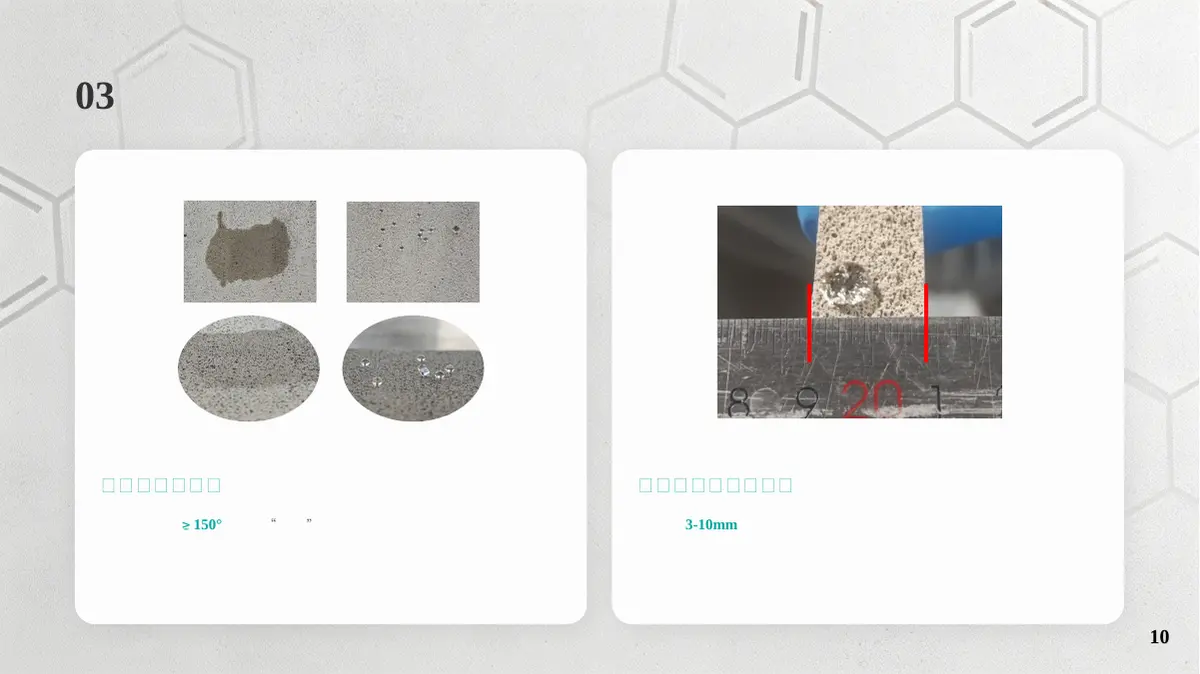
Water Repellency: Resistant to moisture, preventing degradation over time.
Durability: Long-lasting, even in harsh industrial conditions.
Operating Conditions and Suitability
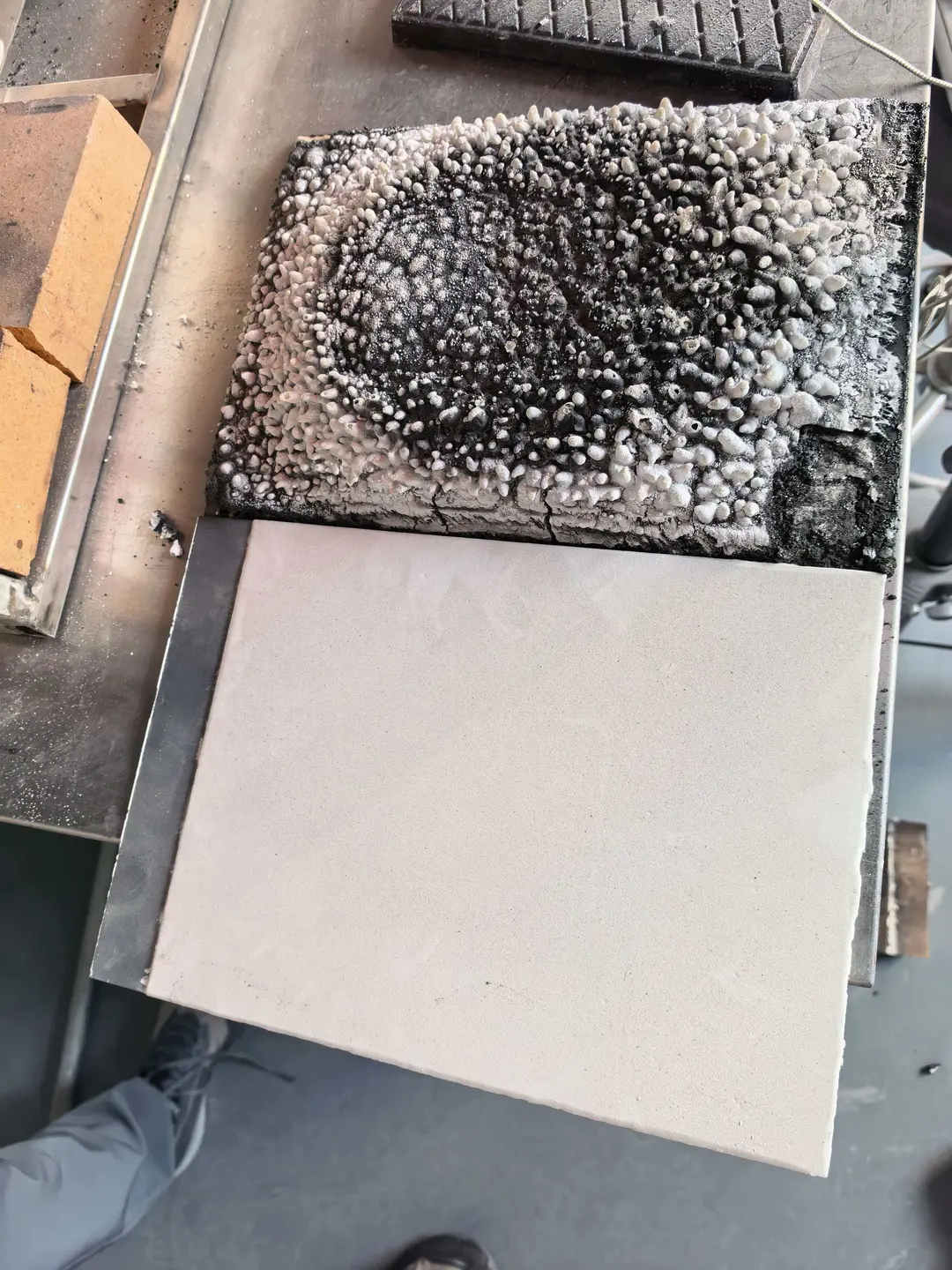
The suitability of flame-retardant aerogel material depends on the specific operating conditions of your application. For instance, in high-temperature industrial zones, the material must maintain its insulating properties and fire resistance at elevated temperatures. Similarly, in outdoor exposed settings, the material should be able to withstand UV radiation and weathering.
Factors to Consider:
Temperature Range: Ensure the material can operate within the required temperature range.Environmental Exposure: Assess the material's resistance to UV, moisture, and other environmental factors.
Mechanical Stress: Determine if the material can handle the mechanical stress and pressure of the application.
Chemical Resistance: Check the material's resistance to chemicals and corrosive substances.
Selecting the Right Configuration
The appropriate configuration of flame-retardant aerogel material may vary with the specific requirements of your project. For example, the thickness of the aerogel sheets and the dimensions of the rolls need to be tailored to fit the installation space and the desired level of insulation.
Configuration Options:
Thickness: Adjust the thickness to achieve the required thermal insulation.Dimensions: Custom size cutting to fit the installation area.
Form Factor: Choose between sheets, rolls, or other forms based on the application.
| Property | Value |
|---|---|
| Thermal Conductivity | 0.015 W/m·K |
| Fire Rating | Class A (ASTM E84) |
| Pressure Resistance | Up to 500 kPa |
| Water Repellency | Hydrophobic |
| Durability | 20+ years |
cowinmaterials' Capabilities in Flame-Retardant Aerogel Solutions
cowinmaterials offers a range of flame-retardant aerogel materials that are specifically designed for industrial applications. Our products are backed by rigorous testing and certification, ensuring they meet the highest standards of performance and safety. We provide comprehensive support, from pre-sales guidance to after-sales services, to ensure your project's success.
Pre-Sales Services:
Working Condition Selection Guidance: Expert advice on selecting the right material for your application.Heat & Corrosion Resistance Parameter Calculation: Detailed calculations to ensure the material meets your specific requirements.
Export Compliance Consulting: Assistance with export compliance and cross-border logistics planning.
After-Sales Services:
Damaged Goods Replenishment: Quick replacement of any damaged goods.Remote Technical Guidance: Support for on-site construction and installation.
Long-Term Warranty Support: Comprehensive warranty coverage for engineering projects.
Frequently Asked Questions
What are the key benefits of using flame-retardant aerogel in industrial applications?
Flame-retardant aerogel provides ultra-low thermal conductivity, excellent fire resistance, pressure resistance, water repellency, and long-term durability, making it ideal for high-temperature and harsh industrial environments.
How does the thermal conductivity of flame-retardant aerogel compare to traditional insulation materials?
Flame-retardant aerogel has a significantly lower thermal conductivity (0.015 W/m·K) compared to traditional insulation materials, providing better insulation and energy efficiency.
Are there any specific certifications that flame-retardant aerogel materials should have?
Yes, flame-retardant aerogel materials should meet or exceed international fire safety standards, such as ASTM E84 (Class A) and RoHS compliance.
Ensuring Safety and Efficiency in Your Industrial Projects
Selecting the right flame-retardant aerogel material is essential for ensuring the safety and efficiency of your industrial projects. By considering the key properties, operating conditions, and configuration options, you can make an informed decision. cowinmaterials is committed to providing high-quality, reliable solutions that meet your specific needs. Contact us for more information or to discuss your project requirements.