
Understanding Fire Ratings in Insulation Coating Manufacturing Plants
When it comes to insulation coatings for manufacturing plants, understanding fire ratings is crucial. This article will help you navigate the complexities of fire ratings and their importance in ensuring safety and compl
Overview
When it comes to insulation coatings for manufacturing plants, understanding fire ratings is crucial. This article will help you navigate the complexities of fire ratings and their importance in ensuring safety and compliance. We will focus on the specific requirements and considerations for insulation coatings used in industrial settings.
What Are Fire Ratings and Why Are They Important?
Fire ratings are a measure of a material's ability to resist and contain fire. In the context of insulation coatings, these ratings are essential for ensuring that the coating can withstand high temperatures and prevent the spread of fire. The appropriate fire rating for an insulation coating depends on the specific application and the potential fire hazards in the environment. Suitability should be assessed against the relevant building codes and industry standards.
How Are Fire Ratings Determined for Insulation Coatings?
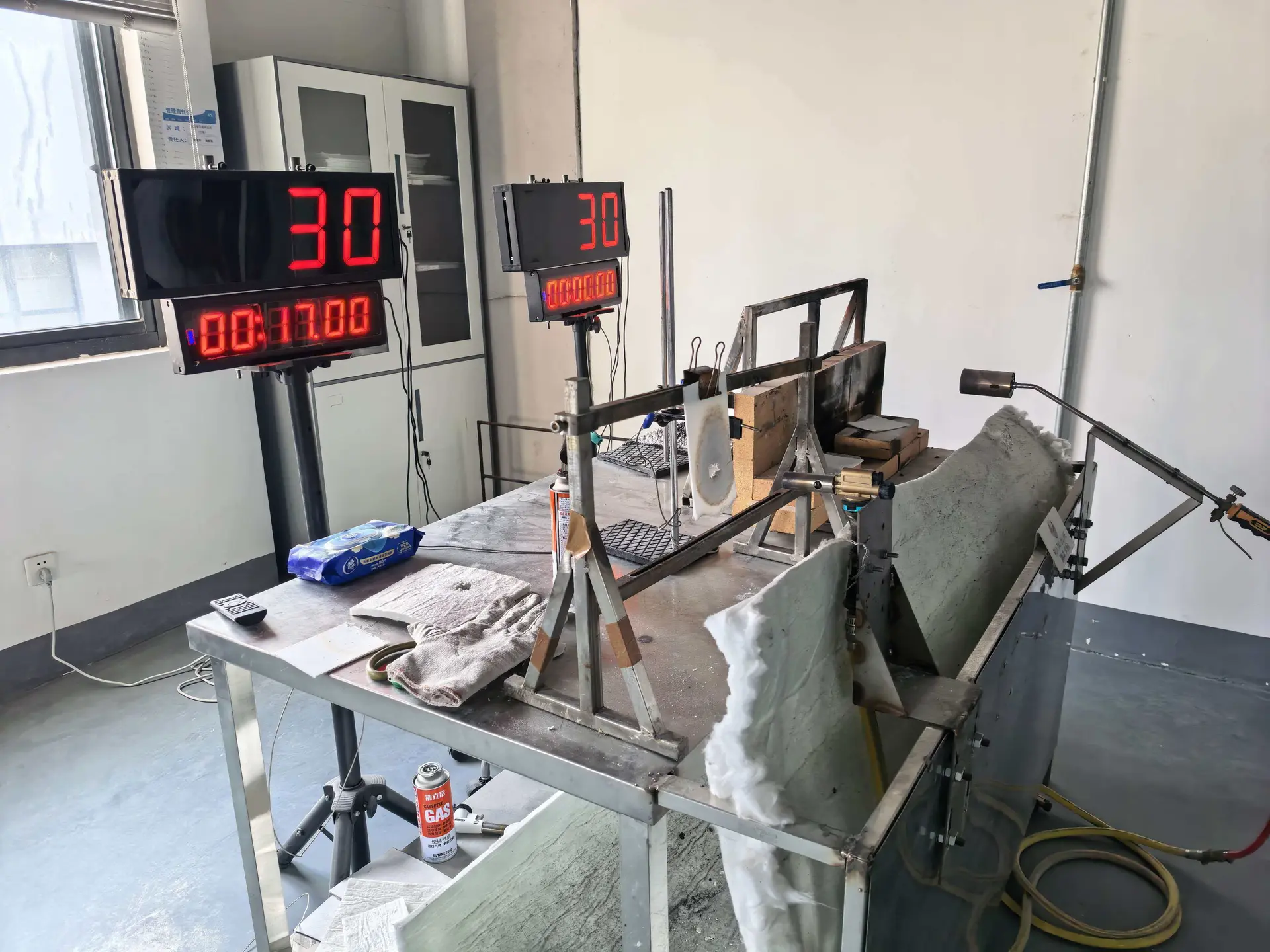
Fire ratings for insulation coatings are determined through standardized testing procedures. These tests evaluate the coating's performance under various fire conditions, such as exposure to direct flame, heat, and smoke. Commonly, the fire rating is based on the time it takes for the coating to fail or allow the passage of flames. The appropriate configuration may vary with the type of substrate, the thickness of the coating, and the environmental conditions. For detailed information on fire testing standards, refer to the International Fire Safety Standards.
Key Factors Affecting Fire Ratings in Insulation Coatings
Several factors can influence the fire rating of an insulation coating. These include:
Substrate Material: The type of surface the coating is applied to, such as steel, concrete, or wood.Coating Thickness: The thickness of the coating layer, which affects its thermal resistance.
Chemical Composition: The specific ingredients in the coating, including any flame retardants or additives.
Application Method: The method used to apply the coating, such as spraying, brushing, or rolling.
| Factor | Influence on Fire Rating |
|---|---|
| Substrate Material | Significant |
| Coating Thickness | High |
| Chemical Composition | High |
| Application Method | Moderate |
Quzhou Qiying Import & Export Co.'s Capabilities in Fire-Rated Insulation Coatings
Quzhou Qiying Import & Export Co., Ltd., trading as [cowinmaterials], offers a range of high-performance insulation coatings designed to meet stringent fire safety standards. Our [insulation coatings] are formulated to deliver strong adhesion on various substrates, including steel pipes and concrete, and feature flame retardancy, acid-base corrosion resistance, and moisture-proof aging resistance.
Our products are tested and certified to pass RoHS and fire safety tests, ensuring compliance with international construction and new-energy environmental regulations. We provide pre-sales services, including working condition selection guidance and heat & corrosion resistance parameter calculations, to help you choose the right coating for your specific needs. Additionally, we offer after-sales support, such as damaged goods replenishment and remote technical guidance for on-site construction. Learn more about our insulation coatings.
Frequently Asked Questions
What is the difference between Class A and Class B fire ratings?
Class A fire ratings indicate that a material is highly resistant to fire and does not contribute significantly to the spread of flames. Class B ratings are slightly less stringent but still provide good fire resistance. The appropriate class depends on the specific application and local building codes.
How often should fire-rated insulation coatings be inspected?
Fire-rated insulation coatings should be inspected regularly, typically every 1-2 years, to ensure they are in good condition and have not been compromised. Any signs of wear, damage, or degradation should be addressed promptly.
Can fire-rated insulation coatings be applied over existing coatings?
In many cases, fire-rated insulation coatings can be applied over existing coatings, provided the substrate is clean, dry, and free of loose particles. However, it is always best to consult with a technical expert to determine the most suitable approach for your specific situation.
Ensuring Compliance and Safety with Fire-Rated Insulation Coatings
Understanding and selecting the right fire-rated insulation coating is critical for ensuring the safety and compliance of your manufacturing plant. By considering the key factors affecting fire ratings and choosing a reliable supplier like Quzhou Qiying Import & Export Co., you can protect your facility from fire hazards and meet regulatory requirements. Contact us for more information and to discuss your specific needs.