Understanding Fire Ratings and Selection Criteria for Flame-Retardant Insulation Coatings
When selecting flame-retardant insulation coatings, it is crucial to understand the fire ratings and the criteria that determine their suitability. This article will guide you through the key considerations, ensuring tha
Overview
When selecting flame-retardant insulation coatings, it is crucial to understand the fire ratings and the criteria that determine their suitability. This article will guide you through the key considerations, ensuring that you choose the right coating for your specific application, whether it's for industrial pipes, concrete structures, or other substrates.
What Are Fire Ratings and Why Are They Important?
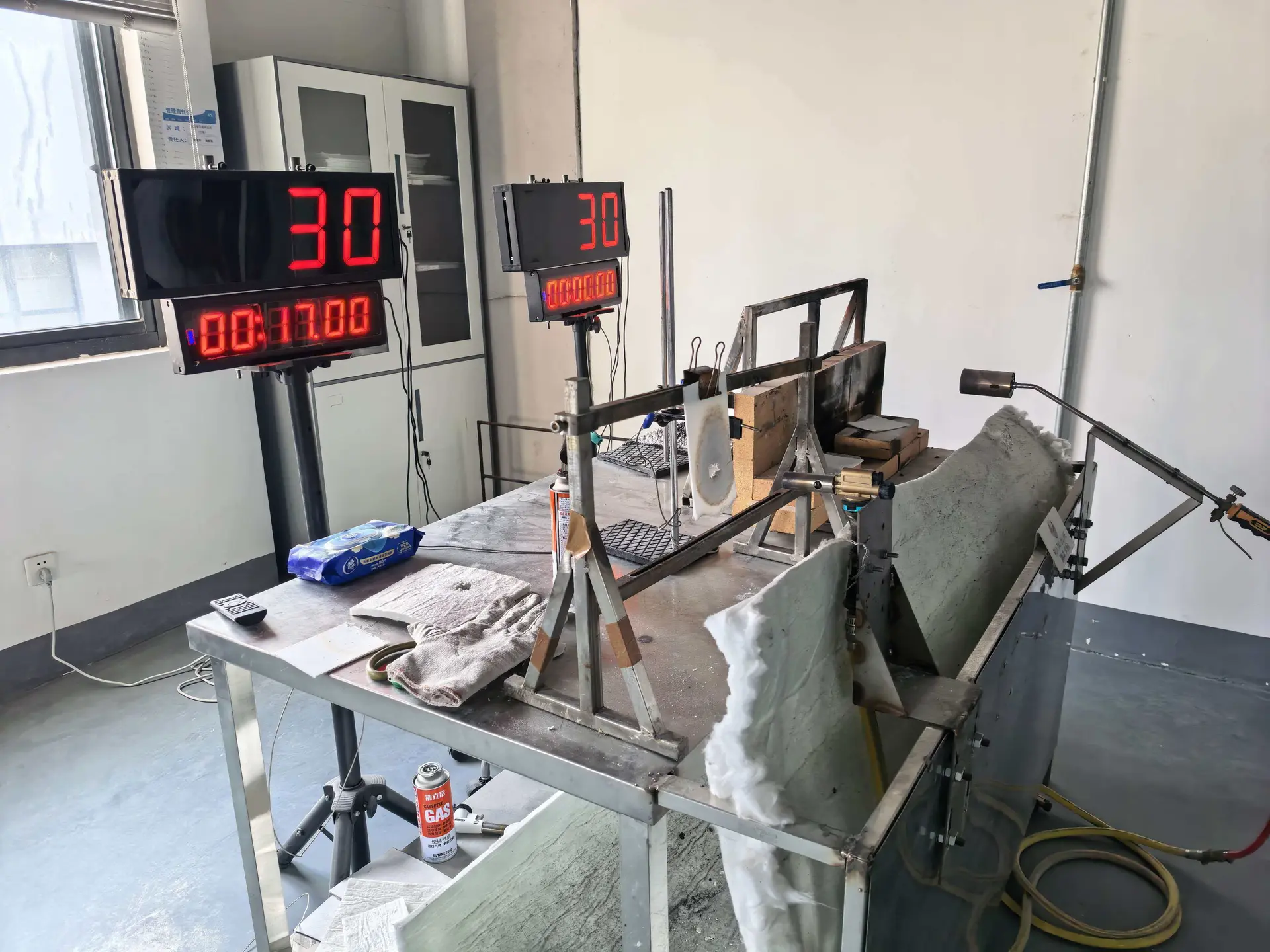
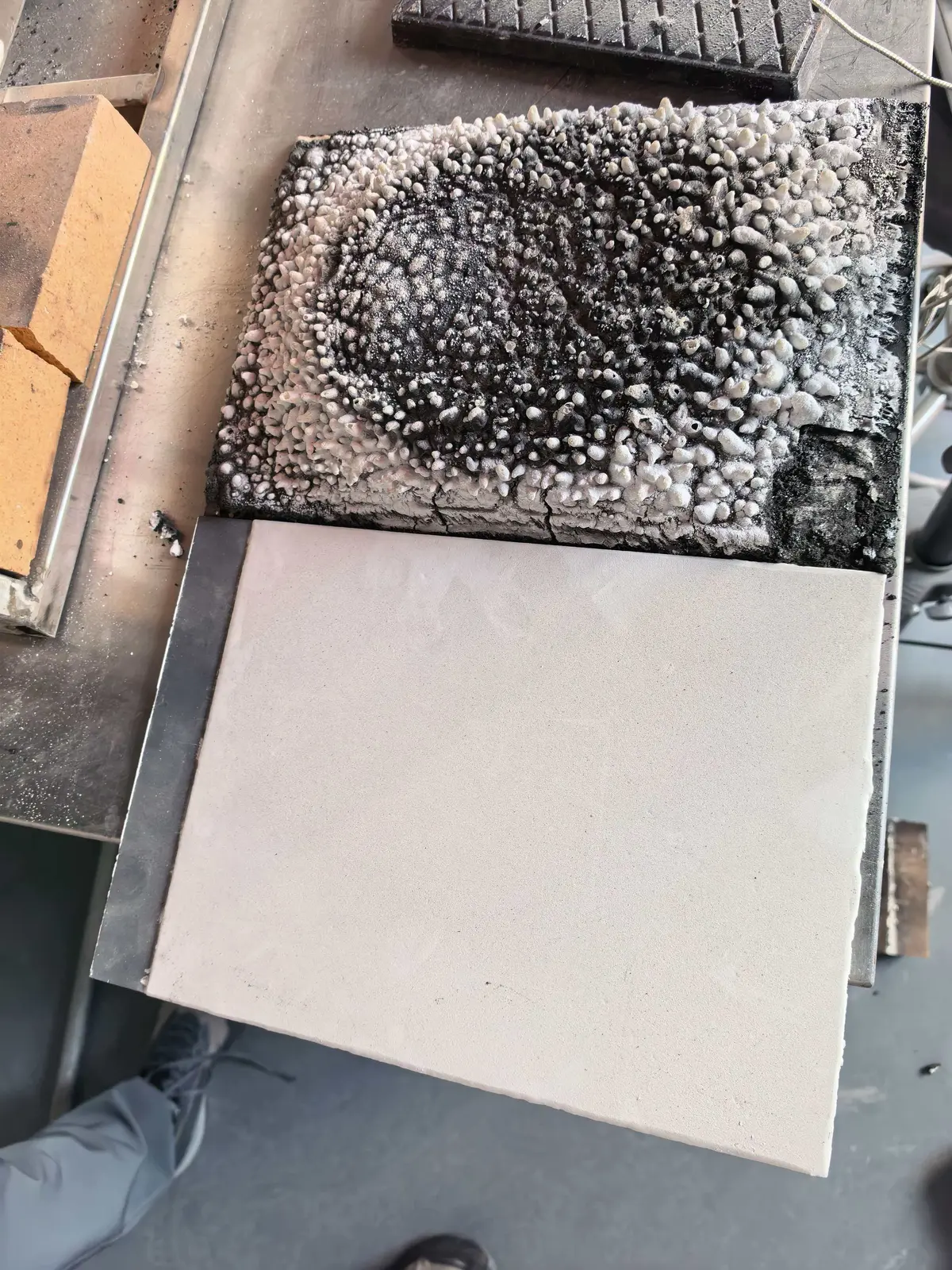
Fire ratings are a critical aspect of any insulation coating, as they indicate the material's ability to resist and contain fire. These ratings are typically determined by standardized tests, such as the ASTM E84 (Standard Test Method for Surface Burning Characteristics of Building Materials) or the UL 723 (Standard for Safety of Flammability of Plastic Materials for Parts in Devices and Appliances). The higher the fire rating, the better the coating's performance in a fire, which can be crucial for safety and compliance with building codes.
Key Fire Rating Systems
ASTM E84: Measures the flame spread index and smoke development index.UL 723: Similar to ASTM E84 but often used for specific applications.
BS 476 Part 6 & 7: British standards for fire propagation and surface spread of flame.
Understanding these ratings helps in selecting the appropriate coating for your project, ensuring that it meets the necessary safety and regulatory requirements.
Factors to Consider When Selecting Flame-Retardant Insulation Coatings
Selection depends on several factors, including the substrate, environmental conditions, and the specific application. Here are some key considerations:
Substrate Compatibility
Steel Pipes: Ensure the coating adheres well to metal surfaces and provides corrosion resistance.Concrete Structures: Look for coatings that offer strong adhesion and protect against moisture and chemical exposure.
Other Substrates: Assess the compatibility of the coating with materials like wood, plastic, or composite materials.
Environmental Conditions
Temperature Range: The coating should withstand the expected temperature range, from low to high temperatures.Humidity and Moisture: Choose coatings that are moisture-resistant and can handle high humidity environments.
Chemical Exposure: For areas with potential chemical exposure, select coatings that are resistant to acids, bases, and other corrosive substances.
Application Requirements
Ease of Application: Consider the method of application, such as spray, brush, or roller, and ensure it is practical for your project.Curing Time: Evaluate the curing time and how it fits into your project timeline.
Thickness and Coverage: Determine the required thickness and coverage to achieve the desired fire rating and insulation properties.
Technical Specifications and Performance Data
To help you make an informed decision, here is a comparison of key technical specifications for different types of flame-retardant insulation coatings:
| Specification | CowinMaterials Coating | Competitor A Coating | Competitor B Coating |
|---|---|---|---|
| Fire Rating (ASTM E84) | Class A (Flame Spread Index ≤ 25, Smoke Developed Index ≤ 50) | Class B (Flame Spread Index ≤ 75, Smoke Developed Index ≤ 100) | Class C (Flame Spread Index ≤ 200, Smoke Developed Index ≤ 450) |
| Temperature Resistance | Up to 800°C | Up to 600°C | Up to 500°C |
| Adhesion Strength | High | Medium | Low |
| Corrosion Resistance | Excellent | Good | Fair |
| VOC Content | Low | Moderate | High |
CowinMaterials' flame-retardant insulation coatings offer superior performance, with a Class A fire rating, high-temperature resistance, and excellent adhesion and corrosion resistance. Additionally, our low-VOC content ensures compliance with strict environmental regulations.
CowinMaterials' Capabilities in Flame-Retardant Insulation Coatings
At [CowinMaterials], we provide a range of flame-retardant insulation coatings designed to meet the stringent demands of various industrial and construction applications. Our products are backed by years of export experience and a commitment to quality and environmental safety. We offer:
Custom Formulations: Tailored solutions to meet specific project requirements, including fire ratings, temperature resistance, and adhesion strength.Technical Support: Pre-sales guidance on working condition selection, heat and corrosion resistance parameter calculations, and export compliance consulting.
Comprehensive Services: Post-sales support, including damaged goods replenishment, remote technical guidance, and long-term warranty support.
Certifications and Compliance: Our core SKUs pass RoHS and fire safety tests, ensuring compliance with international standards.
For more information on our flame-retardant insulation coatings, visit our product page.
Frequently Asked Questions
What is the difference between Class A, B, and C fire ratings?
Class A, B, and C fire ratings are based on the flame spread and smoke developed indices. Class A has the highest fire resistance, with a flame spread index of 25 or less and a smoke developed index of 50 or less. Class B and C have progressively lower fire resistance.
Can flame-retardant coatings be applied to existing surfaces?
Yes, flame-retardant coatings can be applied to existing surfaces. However, proper surface preparation, such as cleaning and priming, is essential to ensure good adhesion and performance.
How do I ensure the coating meets local building codes?
To ensure the coating meets local building codes, check the fire rating and certifications, and consult with local authorities or a certified professional. CowinMaterials' coatings are tested and certified to meet international standards, providing a reliable solution.
Conclusion: Make Informed Decisions for Your Project
Selecting the right flame-retardant insulation coating is crucial for ensuring safety and compliance. By understanding fire ratings and considering the specific needs of your project, you can make informed decisions. For more detailed information and to discuss your specific requirements, contact us today.