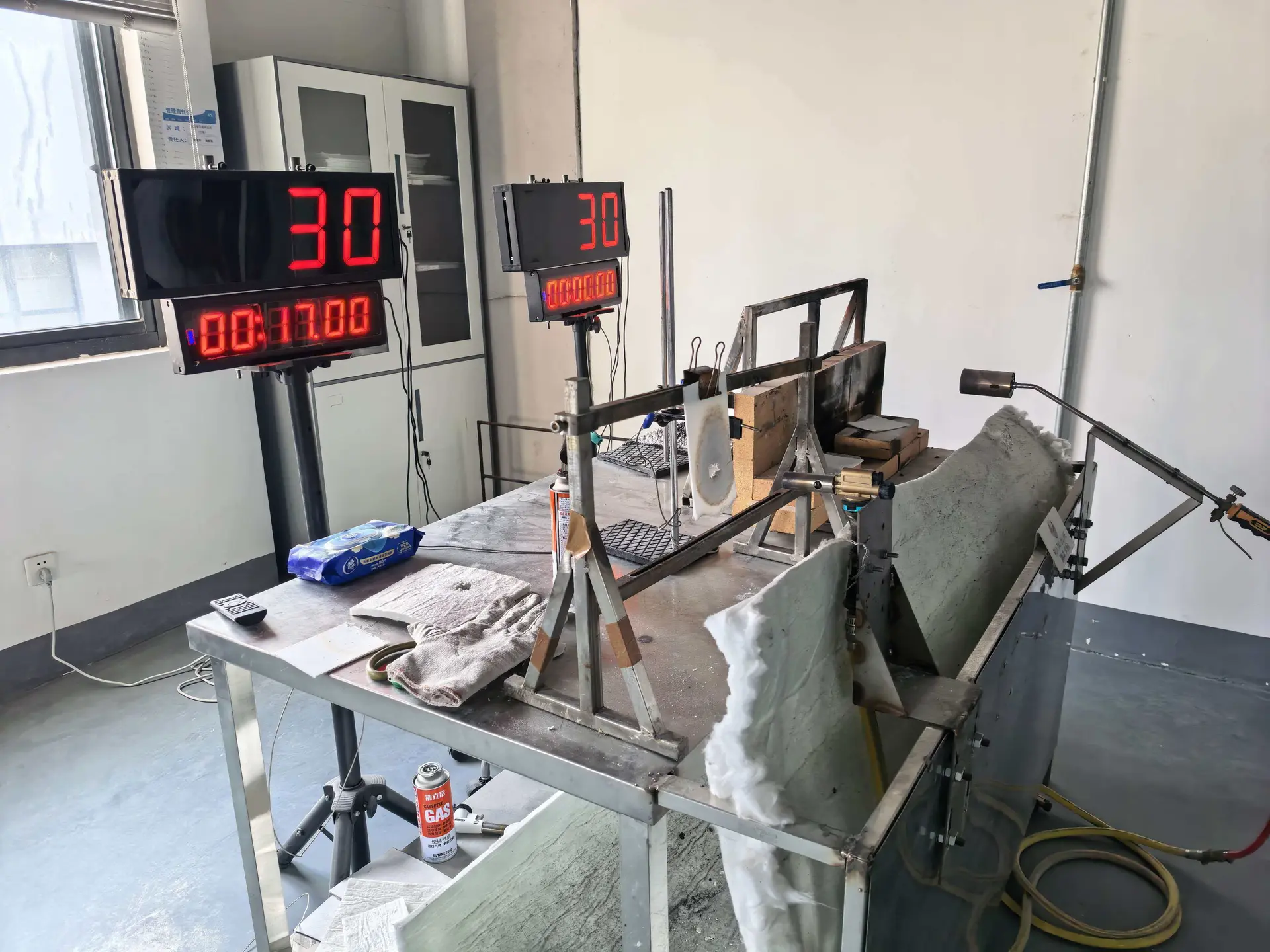
Sourcing High-Temperature Resistant Insulation Paint: Key Selection Criteria for Industrial Applications
When selecting high-temperature resistant insulation paint for industrial applications, it is crucial to consider several key criteria to ensure optimal performance and longevity. This article will guide you through the
Overview
When selecting high-temperature resistant insulation paint for industrial applications, it is crucial to consider several key criteria to ensure optimal performance and longevity. This article will guide you through the essential factors to evaluate, including adhesion, thermal resistance, and compliance with safety standards, specifically for use in high-temperature environments.
Understanding the Thermal Resistance Requirements
High-temperature resistant insulation paint must be capable of withstanding extreme temperatures without degrading or losing its insulative properties. The appropriate configuration may vary with the specific operating conditions, such as the maximum temperature, duration of exposure, and the presence of corrosive agents. For instance, in environments where temperatures can exceed 500°C, it is essential to select a paint that has been tested and certified for such conditions. Source: ISO 834 provides guidelines for fire resistance testing, which can be a useful reference when assessing the thermal resistance of insulation paints.
Adhesion and Durability on Various Substrates
The adhesion of high-temperature resistant insulation paint to different substrates, such as steel pipes, concrete, and other materials, is critical for long-term performance. Suitability should be assessed against the surface preparation requirements, the type of substrate, and the environmental conditions. For example, if the paint is to be applied to steel pipes, it should have strong adhesion and be resistant to corrosion and moisture. Additionally, the paint should be able to withstand mechanical stress and not peel off under harsh conditions. Source: NACE International offers detailed standards and best practices for surface preparation and coating application.
Compliance with Safety and Environmental Standards
Ensuring that the high-temperature resistant insulation paint complies with relevant safety and environmental standards is non-negotiable. The paint should meet international standards such as RoHS (Restriction of Hazardous Substances) and be free from harmful volatile organic compounds (VOCs). These certifications are particularly important for industries that operate under strict environmental regulations. For instance, low-VOC formulas are essential for new-energy factories and construction projects in regions with stringent environmental laws. Source: RoHS Directive provides comprehensive information on the restrictions and requirements for hazardous substances in electrical and electronic equipment.
Comparing High-Temperature Resistant Insulation Paint Options
| Brand | Maximum Temperature (°C) | Adhesion | Corrosion Resistance | VOC Content | Certifications |
|---|---|---|---|---|---|
| CowinMaterials | 600 | Excellent | High | Low | RoHS, ISO 834 |
| Competitor A | 500 | Good | Moderate | Medium | RoHS |
| Competitor B | 550 | Good | High | High | ISO 834 |
CowinMaterials' Capabilities in High-Temperature Insulation Solutions
CowinMaterials specializes in providing high-temperature resistant insulation paint that meets the stringent demands of industrial applications. Our products, such as the high-temperature anti-corrosion insulating coatings, have been successfully used by industrial piping contractors, reducing annual pipeline corrosion maintenance frequency by 29%. We offer pre-sales services, including working condition selection guidance and heat & corrosion resistance parameter calculations, to ensure that our customers select the most suitable product for their needs. Additionally, our after-sales support includes damaged goods replenishment and remote technical guidance for on-site construction. Learn more about our high-temperature insulation solutions.
Frequently Asked Questions
What is the maximum temperature that high-temperature resistant insulation paint can withstand?
High-temperature resistant insulation paint can typically withstand temperatures up to 600°C, depending on the specific product and its formulation. Always check the manufacturer's specifications and certifications for the exact temperature range.
How does the adhesion of high-temperature resistant insulation paint affect its performance?
Strong adhesion ensures that the paint remains intact and effective over time, even under harsh conditions. Poor adhesion can lead to peeling, which compromises the insulative and protective properties of the paint.
Are there any environmental regulations I need to consider when selecting high-temperature resistant insulation paint?
Yes, it is important to choose a paint that complies with environmental regulations such as RoHS and has low VOC content. This is especially crucial for industries operating in regions with strict environmental laws.
Ensuring Optimal Performance with the Right High-Temperature Resistant Insulation Paint
Selecting the right high-temperature resistant insulation paint is essential for ensuring the durability and effectiveness of your industrial applications. By considering the thermal resistance, adhesion, and compliance with safety and environmental standards, you can make an informed decision. For more information and to discuss your specific requirements, contact us at CowinMaterials.