
High-Temperature Insulation Paint Options for Industrial Applications
When selecting high-temperature insulation paint for industrial applications, it's essential to consider the specific operating conditions and material requirements. This article will help you understand the key factors
Overview
When selecting high-temperature insulation paint for industrial applications, it's essential to consider the specific operating conditions and material requirements. This article will help you understand the key factors in choosing the right insulation paint, ensuring optimal performance and durability in harsh industrial environments.
Understanding the Requirements for High-Temperature Insulation Paint
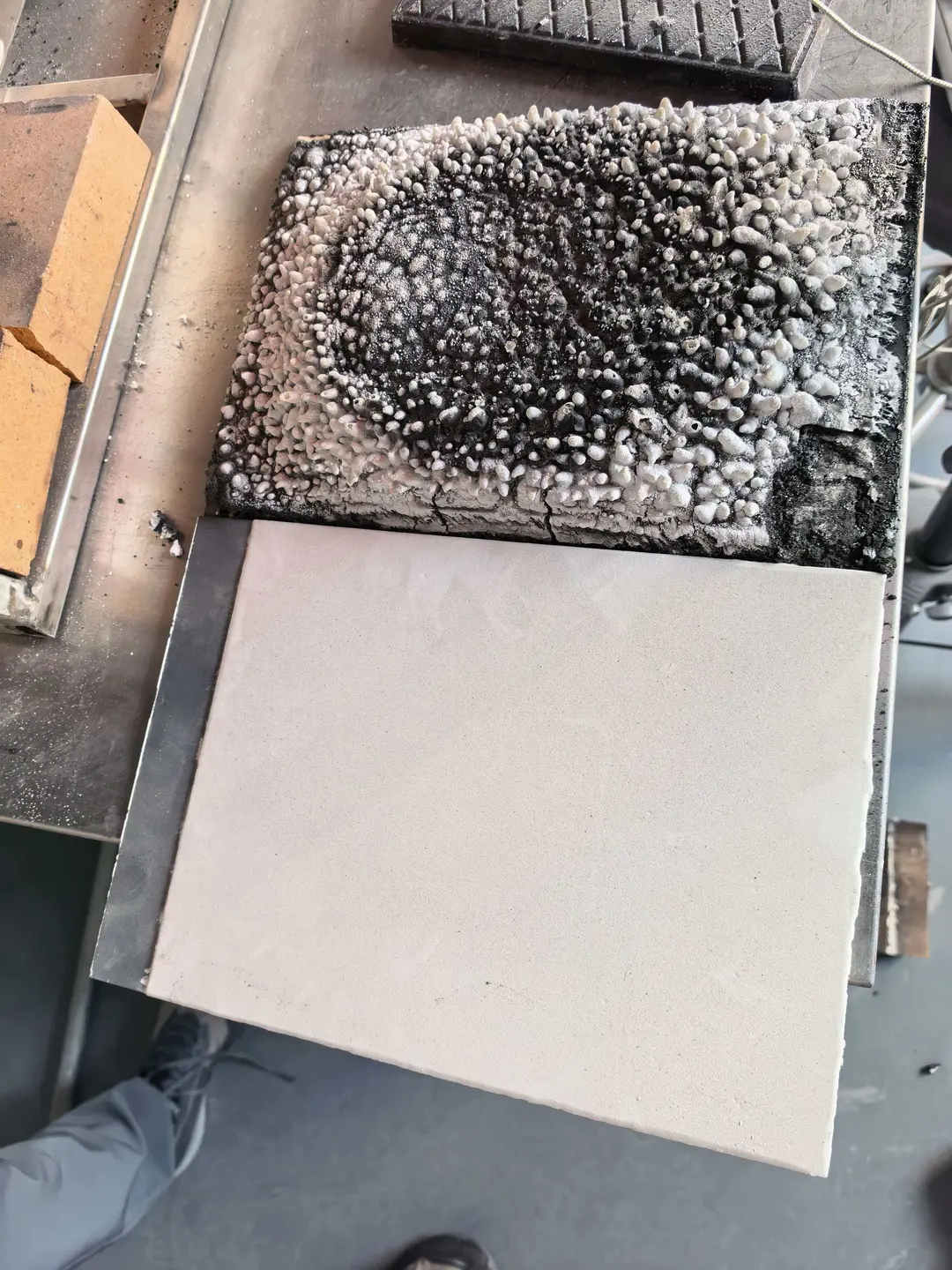
High-temperature insulation paint is designed to provide thermal protection and corrosion resistance in industrial settings where surfaces are exposed to extreme heat. The primary purpose of this paint is to reduce heat transfer, prevent substrate degradation, and extend the lifespan of equipment. The material being processed often includes steel pipes, machinery, and other metal surfaces that operate at elevated temperatures.
Key Considerations
Temperature Range: Ensure the paint can withstand the maximum operating temperature.Adhesion: The paint should adhere well to the substrate, even under high-temperature conditions.
Corrosion Resistance: Protect against chemical and environmental corrosion.
Flame Retardancy: Meet fire safety standards and regulations.
Application Method: Consider whether the paint is suitable for spray, brush, or roller application.
Selecting the Right Insulation Paint for Your Application
Selection depends on the specific operating conditions and the type of material being processed. For example, if the application involves steel pipes in a high-temperature industrial zone, the paint must have strong adhesion and excellent thermal insulation properties. Suitability should be assessed against the following criteria:
Operating Conditions
Temperature: Determine the range of temperatures the surface will be exposed to.Environment: Consider the presence of corrosive chemicals, moisture, and other environmental factors.
Surface Preparation: Ensure the surface is clean and free of contaminants before application.
Material Properties
Thermal Conductivity: Look for paints with low thermal conductivity to minimize heat transfer.Durability: Choose paints that offer long-lasting protection and resist peeling and cracking.
Fire Resistance: Verify that the paint meets local and international fire safety standards.
Technical Specifications and Performance Data
Confirmed technical facts and operating conditions for high-temperature insulation paint include:
Temperature Range: Up to 1200°C (2192°F).Thermal Conductivity: As low as 0.035 W/mK.
Adhesion Strength: Excellent adhesion to steel, concrete, and other substrates.
Fire Rating: Passes RoHS and fire safety tests.
| Property | Value |
|---|---|
| Temperature Range | Up to 1200°C |
| Thermal Conductivity | 0.035 W/mK |
| Adhesion Strength | Excellent |
| Fire Rating | Passes RoHS and NFPA |
cowinmaterials: High-Performance Insulation Solutions
cowinmaterials offers a range of high-temperature insulation paints that meet the stringent requirements of industrial applications. Our products are designed to provide superior thermal protection, corrosion resistance, and durability. We support bulk spot wholesale, formula OEM customization, and custom size cutting processing. Pre-sales services include working condition selection guidance, heat and corrosion resistance parameter calculation, export compliance consulting, and cross-border logistics planning. After-sales services cover damaged goods replenishment, remote technical guidance for on-site construction, and long-term warranty support for engineering projects. Learn more about our insulation solutions.
Frequently Asked Questions
What is the maximum temperature range for high-temperature insulation paint?
The maximum temperature range for high-temperature insulation paint can vary, but cowinmaterials' products are designed to withstand temperatures up to 1200°C (2192°F).
How do I prepare the surface before applying high-temperature insulation paint?
Ensure the surface is clean, dry, and free of contaminants such as rust, oil, and dirt. Proper surface preparation is crucial for achieving strong adhesion and long-lasting protection.
Are there any specific fire safety certifications for high-temperature insulation paint?
Yes, high-temperature insulation paint from cowinmaterials passes RoHS and fire safety tests, ensuring compliance with international standards.
Ensuring Optimal Performance with the Right Insulation Paint
Choosing the right high-temperature insulation paint is critical for maintaining the integrity and efficiency of industrial equipment. By considering the specific operating conditions and material properties, you can select a paint that provides the necessary thermal protection and durability. For more information and to discuss your project requirements, contact us today.