
High-Temperature Insulation Paint: Evaluating Performance and Application Criteria
When selecting high-temperature insulation paint, it's crucial to understand its performance and application criteria. This article will guide you through the key factors to consider, ensuring that the chosen paint meets

Overview
When selecting high-temperature insulation paint, it's crucial to understand its performance and application criteria. This article will guide you through the key factors to consider, ensuring that the chosen paint meets your specific needs for thermal protection and durability in high-temperature environments.
Understanding the Key Performance Indicators of High-Temperature Insulation Paint
High-temperature insulation paint is designed to provide thermal protection and reduce heat transfer in industrial settings. The primary performance indicators include:
Thermal Conductivity: The lower the thermal conductivity, the better the insulation properties. High-quality insulation paints typically have a thermal conductivity below 0.1 W/mK.Temperature Resistance: The paint should withstand the maximum operating temperature without degrading. Common ranges are from 200°C to 1000°C.
Adhesion and Durability: Strong adhesion to substrates like steel, concrete, and other materials ensures long-term performance. The paint should resist peeling, flaking, and cracking under thermal stress.
Chemical Resistance: Resistance to acids, bases, and other corrosive substances is essential, especially in industrial environments.
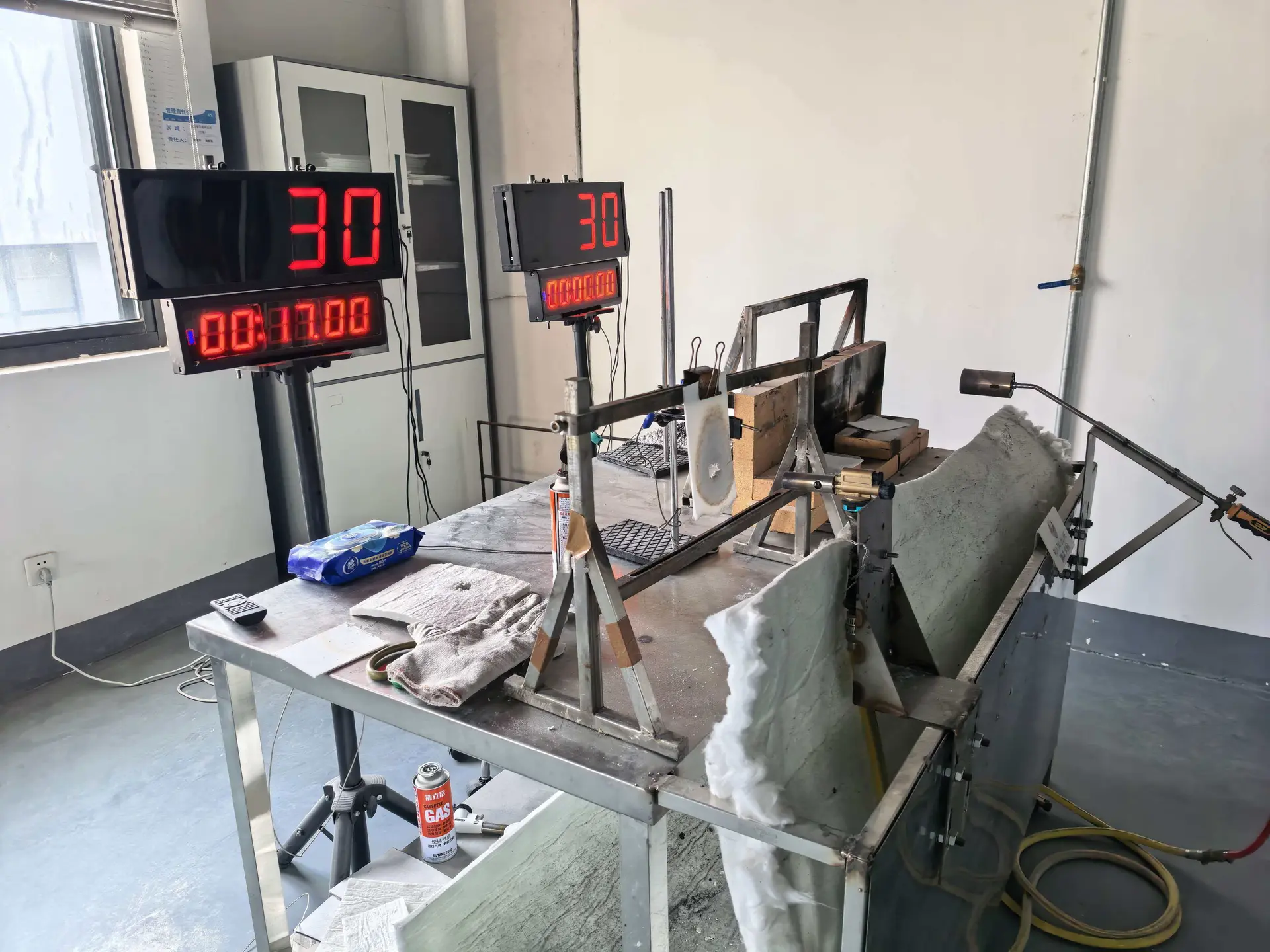
Flame Retardancy: The paint should meet fire safety standards, such as passing RoHS and fire safety tests.
Selecting the Right High-Temperature Insulation Paint for Your Application
Selection depends on the specific conditions and requirements of your project. Here are some key considerations:
Operating Temperature: Determine the maximum and minimum temperatures the paint will be exposed to. For example, if the environment reaches 800°C, choose a paint with a higher temperature resistance.Substrate Material: Ensure the paint is compatible with the substrate. Different materials may require different types of paint for optimal adhesion and performance.
Environmental Factors: Consider the presence of corrosive chemicals, moisture, and UV exposure. The appropriate configuration may vary with these factors.
Application Method: Some paints are suitable for spray application, while others may require brush or roller application. Choose a method that fits your operational capabilities.
Comparative Analysis of High-Temperature Insulation Paints
| Brand | Thermal Conductivity (W/mK) | Temperature Resistance (°C) | Adhesion | Chemical Resistance | Flame Retardancy |
|---|---|---|---|---|---|
| Cowinmaterials | <0.1 | 200-1000 | Excellent | High | Passes RoHS and fire safety tests |
| Competitor A | 0.15 | 200-800 | Good | Moderate | Meets basic fire safety standards |
| Competitor B | 0.2 | 200-700 | Fair | Low | Basic flame retardancy |
Cowinmaterials' Capabilities in High-Temperature Insulation Paint
Cowinmaterials offers a range of high-temperature insulation paints that meet stringent performance and safety standards. Our insulating coatings are designed to deliver strong adhesion, flame retardancy, and chemical resistance. We also provide pre-sales services, including working condition selection guidance and export compliance consulting, to ensure the right product for your project. Our after-sales support includes damaged goods replenishment and remote technical guidance for on-site construction.
Frequently Asked Questions
What is the maximum temperature resistance of high-temperature insulation paint?
High-temperature insulation paint can typically withstand temperatures ranging from 200°C to 1000°C, depending on the specific product. Cowinmaterials' paints are engineered to handle up to 1000°C.
Can high-temperature insulation paint be applied on different substrates?
Yes, high-temperature insulation paint can be applied on various substrates, including steel, concrete, and other materials. However, it is important to check the compatibility of the paint with the specific substrate for optimal performance.
How does high-temperature insulation paint contribute to fire safety?
High-temperature insulation paint is formulated to be flame retardant and often passes rigorous fire safety tests, such as RoHS and other international standards. This helps in reducing the risk of fire and ensuring compliance with local regulations.
Ensuring Optimal Performance and Safety with High-Temperature Insulation Paint
Choosing the right high-temperature insulation paint is critical for maintaining the integrity and safety of your industrial applications. By considering the key performance indicators and application criteria, you can select a paint that provides reliable thermal protection and durability. For more information and to discuss your specific project needs, contact us.