
Flame-Retardant Insulation Coating: Selection and Application Guidelines for Industrial Use
When selecting a flame-retardant insulation coating for industrial use, it is essential to consider the specific application, material compatibility, and environmental conditions. This article will guide you through the
Overview
When selecting a flame-retardant insulation coating for industrial use, it is essential to consider the specific application, material compatibility, and environmental conditions. This article will guide you through the key factors to evaluate and the appropriate application methods, ensuring optimal performance and safety in your industrial setting.
Key Factors in Selecting a Flame-Retardant Insulation Coating
Choosing the right flame-retardant insulation coating depends on several critical factors, including the substrate material, operating temperature, and exposure to corrosive or moisture-rich environments. Suitability should be assessed against these parameters to ensure the coating provides the necessary protection and durability.
Substrate Material: The coating must adhere well to the substrate, whether it is steel, concrete, or another material. Adhesion is crucial for long-term performance.Operating Temperature: The coating should be able to withstand the maximum and minimum temperatures of the operational environment. Exceeding the temperature range can lead to degradation and failure.
Environmental Exposure: Consider the presence of corrosive agents, moisture, and UV radiation. The coating must resist these elements to maintain its integrity and effectiveness.
Application Methods and Best Practices
The application method significantly influences the performance of the flame-retardant insulation coating. Proper preparation and application techniques are essential to achieve the desired results.
Surface Preparation: Ensure the substrate is clean, dry, and free from contaminants such as oil, dust, and rust. Surface preparation is a critical step that affects adhesion and overall coating performance.Application Technique: Common methods include spray, brush, and roller. The choice of technique depends on the surface area and accessibility. Spray application is often preferred for large, flat surfaces, while brushing or rolling may be more suitable for detailed or hard-to-reach areas.
Curing Conditions: Follow the manufacturer's guidelines for curing time and conditions. Curing ensures the coating achieves its full protective properties and adheres properly to the substrate.
Operating Conditions and Performance Data
To ensure the flame-retardant insulation coating performs as expected, it is important to understand the operating conditions and performance data. Here is a summary of the key operating conditions and performance metrics:
| Parameter | Value/Condition |
|---|---|
| Substrate Material | Steel, Concrete |
| Operating Temperature Range | -20°C to 150°C |
| Corrosion Resistance | High, resistant to acid and alkali |
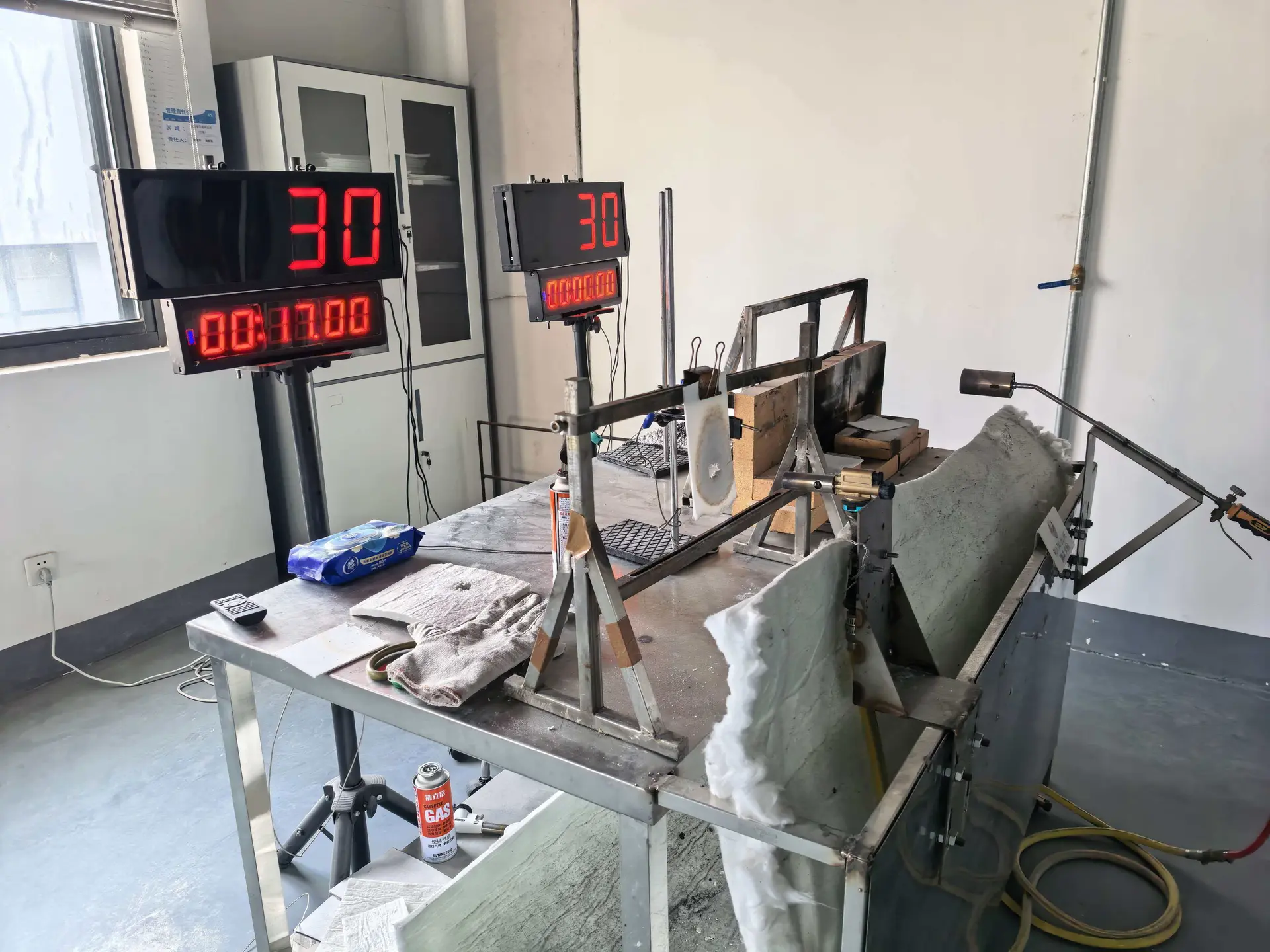
| Flame Retardancy | Passes international fire safety standards |
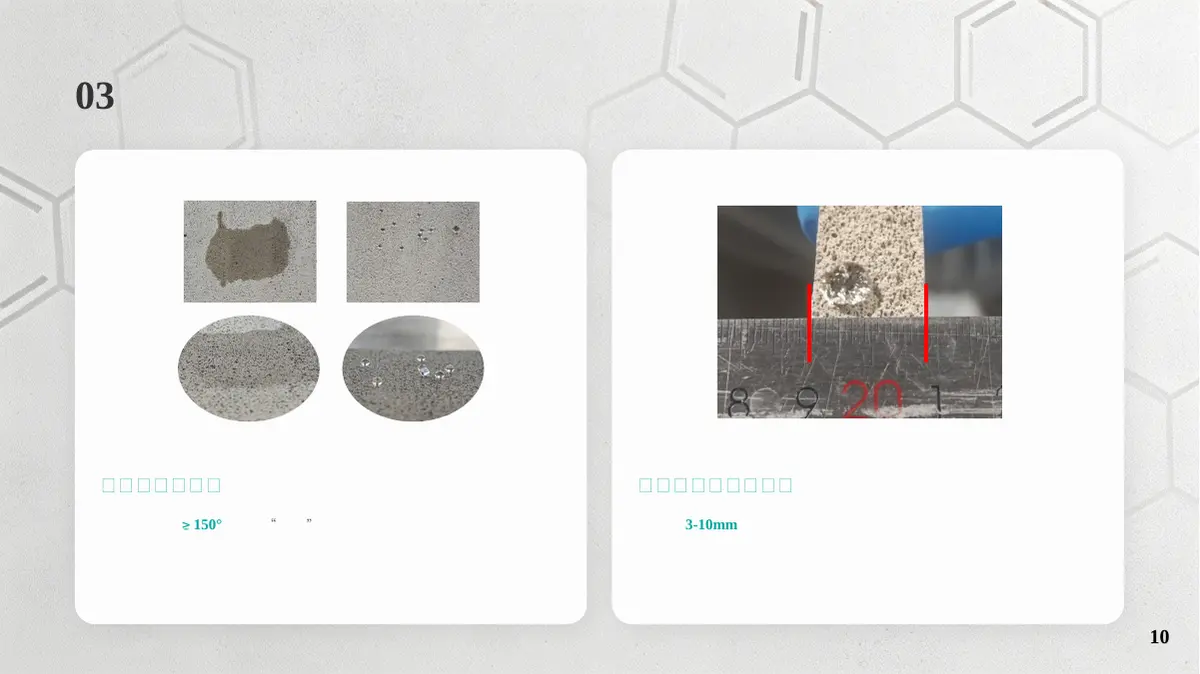
| Moisture Resistance | Excellent, prevents water ingress |
cowinmaterials' Capabilities in Flame-Retardant Insulation Coatings
cowinmaterials offers a range of high-quality flame-retardant insulation coatings designed for various industrial applications. Our products are formulated to provide strong adhesion, excellent corrosion resistance, and superior flame retardancy. We support bulk spot wholesale, formula OEM customization, and custom size cutting processing. Our pre-sales services include working condition selection guidance, heat & corrosion resistance parameter calculation, export compliance consulting, and cross-border logistics planning. Learn more about our flame-retardant insulation coatings.
Frequently Asked Questions
What are the key benefits of using a flame-retardant insulation coating?
Flame-retardant insulation coatings provide several key benefits, including enhanced fire safety, improved thermal insulation, and protection against corrosion and moisture. These coatings are ideal for industrial settings where safety and durability are paramount.
How do I prepare the surface before applying a flame-retardant insulation coating?
Surface preparation involves cleaning the substrate to remove any contaminants such as oil, dust, and rust. The surface should be dry and free from any debris to ensure proper adhesion and long-term performance of the coating.
Can flame-retardant insulation coatings be applied to both steel and concrete surfaces?
Yes, flame-retardant insulation coatings can be applied to both steel and concrete surfaces. However, it is important to choose a coating that is specifically formulated for the substrate material to ensure optimal adhesion and performance.
Ensuring Optimal Performance with Flame-Retardant Insulation Coatings
By carefully considering the key factors in selection and following best practices in application, you can ensure that your flame-retardant insulation coating provides the necessary protection and durability for your industrial environment. For more information or to discuss your specific project requirements, contact us today.