
Fire Rating Considerations for High-Temperature Resistant Insulation Coating Manufacturing Plants
When selecting high-temperature resistant insulation coatings for manufacturing plants, a critical consideration is the fire rating. This article will address how to ensure that the chosen insulation coating meets the ne
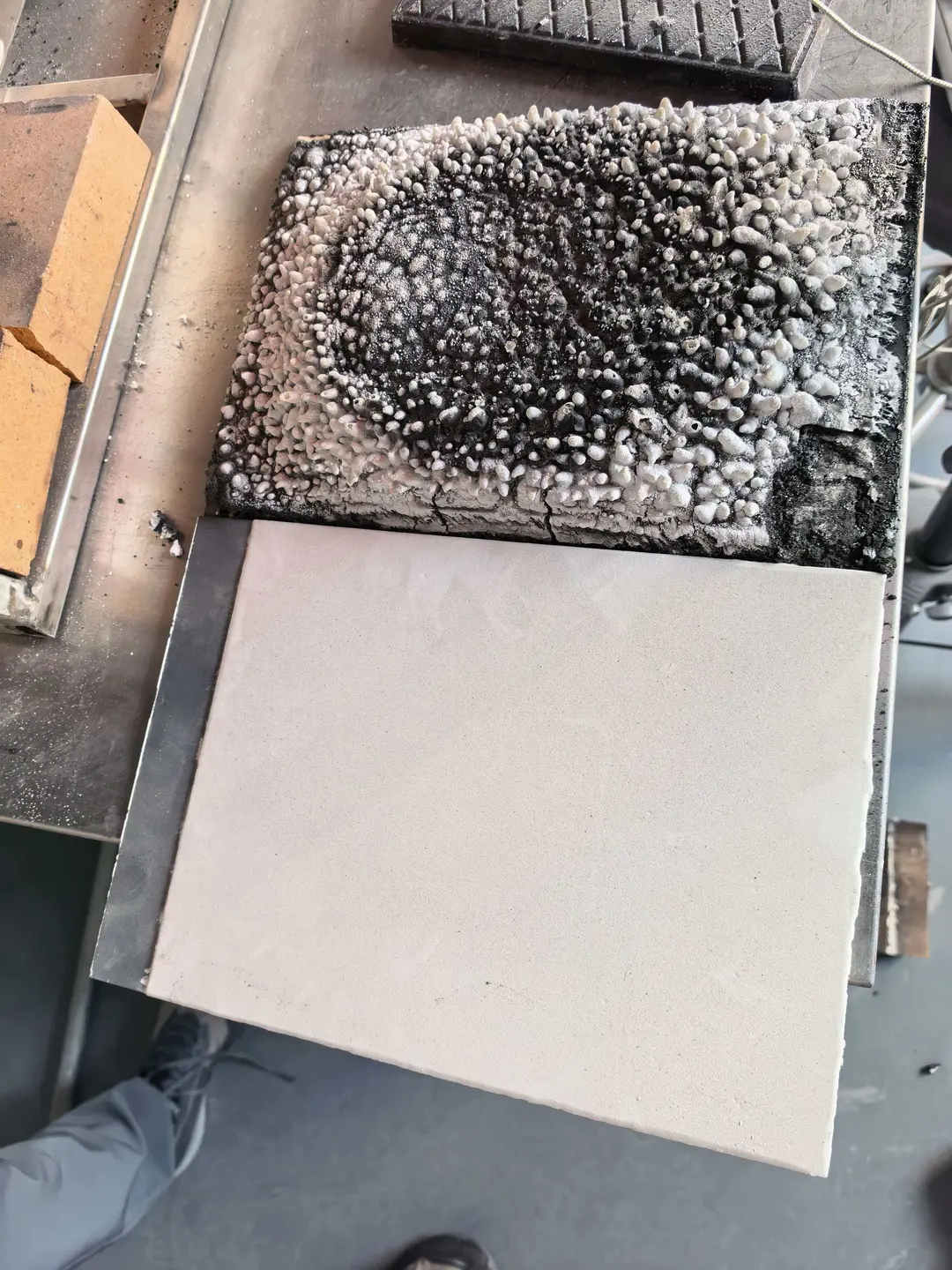
Overview
When selecting high-temperature resistant insulation coatings for manufacturing plants, a critical consideration is the fire rating. This article will address how to ensure that the chosen insulation coating meets the necessary fire safety standards and discuss the key factors that influence the selection process. We will focus on the application of these coatings in industrial settings where fire resistance is paramount.
Understanding Fire Ratings for Insulation Coatings
Fire ratings for insulation coatings are essential for ensuring the safety and compliance of industrial facilities. These ratings are typically based on standardized tests such as the ASTM E84 (Standard Test Method for Surface Burning Characteristics of Building Materials) or the UL 1709 (Rapid Rise Fire Tests of Protection Materials for Structural Steel). The fire rating indicates the material's ability to resist ignition, limit flame spread, and maintain structural integrity under fire conditions.
Key Factors Influencing Fire Ratings
Material Composition: The chemical composition of the coating plays a significant role in its fire-resistant properties. For instance, low-VOC and non-toxic formulations can enhance fire resistance.Application Thickness: The thickness of the applied coating can affect its fire performance. Thicker layers generally provide better protection but may also impact other properties like adhesion and flexibility.
Substrate Type: The type of substrate (e.g., steel, concrete) and its condition can influence the effectiveness of the insulation coating. Proper surface preparation is crucial for optimal performance.
Selecting the Right Insulation Coating for Your Plant
Selection depends on several factors, including the specific fire safety regulations in your region, the operating conditions of the plant, and the nature of the materials being processed. Suitability should be assessed against the following criteria:
Regulatory Compliance: Ensure the coating meets local and international fire safety standards. Common certifications include UL 1709, ASTM E84, and EN 13501-1.Operating Temperature Range: The coating must withstand the maximum temperatures encountered in the plant. High-temperature resistant coatings are designed to perform at temperatures up to 1200°C.
Chemical Resistance: In environments with corrosive chemicals, the coating should provide adequate protection against chemical degradation.
Durability and Longevity: The coating should maintain its fire-resistant properties over time, even under harsh conditions. Regular maintenance and inspection can help extend the coating's lifespan.
Technical Specifications and Performance Data
To illustrate the performance of high-temperature resistant insulation coatings, consider the following technical specifications:
| Property | Value |
|---|---|
| Fire Rating | Class A (ASTM E84) |
| Operating Temperature | Up to 1200°C |
| Chemical Resistance | Excellent |
| Adhesion to Substrate | Strong |
| VOC Content | Low (<50 g/L) |
These specifications highlight the key performance characteristics that make these coatings suitable for high-temperature industrial applications. For more detailed information, you can refer to the Technical Data Sheet.
cowinmaterials' Capabilities in High-Temperature Resistant Coatings
Quzhou Qiying Import & Export Co., Ltd., through its sub-brand cowinmaterials, offers a range of high-temperature resistant insulation coatings that meet stringent fire safety standards. Our products are designed to provide excellent fire resistance, chemical resistance, and durability, making them ideal for use in industrial manufacturing plants.
Product Range: Our coatings are available in various formulations, including low-VOC and non-toxic options, to meet different environmental and regulatory requirements.Custom Solutions: We offer custom formulations and application guidance to ensure that the coating meets the specific needs of your facility.
Certifications: Our products pass third-party tests such as UL 1709 and ASTM E84, ensuring compliance with international fire safety standards.
Support Services: We provide comprehensive pre- and post-sales support, including technical guidance, export compliance consulting, and long-term warranty support.
For more information on our high-temperature resistant coatings, visit our product page.
Frequently Asked Questions
What are the key fire safety standards for high-temperature resistant coatings?
The key fire safety standards for high-temperature resistant coatings include ASTM E84, UL 1709, and EN 13501-1. These standards evaluate the material's ability to resist ignition, limit flame spread, and maintain structural integrity under fire conditions.
How does the thickness of the coating affect its fire resistance?
The thickness of the coating can significantly impact its fire resistance. Generally, thicker layers provide better protection by creating a more effective barrier against heat and flames. However, it is important to balance thickness with other properties such as adhesion and flexibility.

Can these coatings be used on different types of substrates?
Yes, high-temperature resistant coatings can be used on various substrates, including steel, concrete, and other materials. Proper surface preparation is essential to ensure optimal adhesion and performance. Consult the manufacturer's guidelines for specific recommendations.
Ensuring Fire Safety in Your Industrial Facility
Selecting the right high-temperature resistant insulation coating is crucial for maintaining fire safety in industrial manufacturing plants. By considering the fire rating, regulatory compliance, and specific operational requirements, you can ensure that your facility is well-protected. For more information or to request a consultation, please contact us.