
Exploring Insulation Coating Options for Industrial Applications
When it comes to selecting the right insulation coating for industrial applications, many engineers and procurement managers are often left wondering: What are the key factors to consider, and which coating is best suite
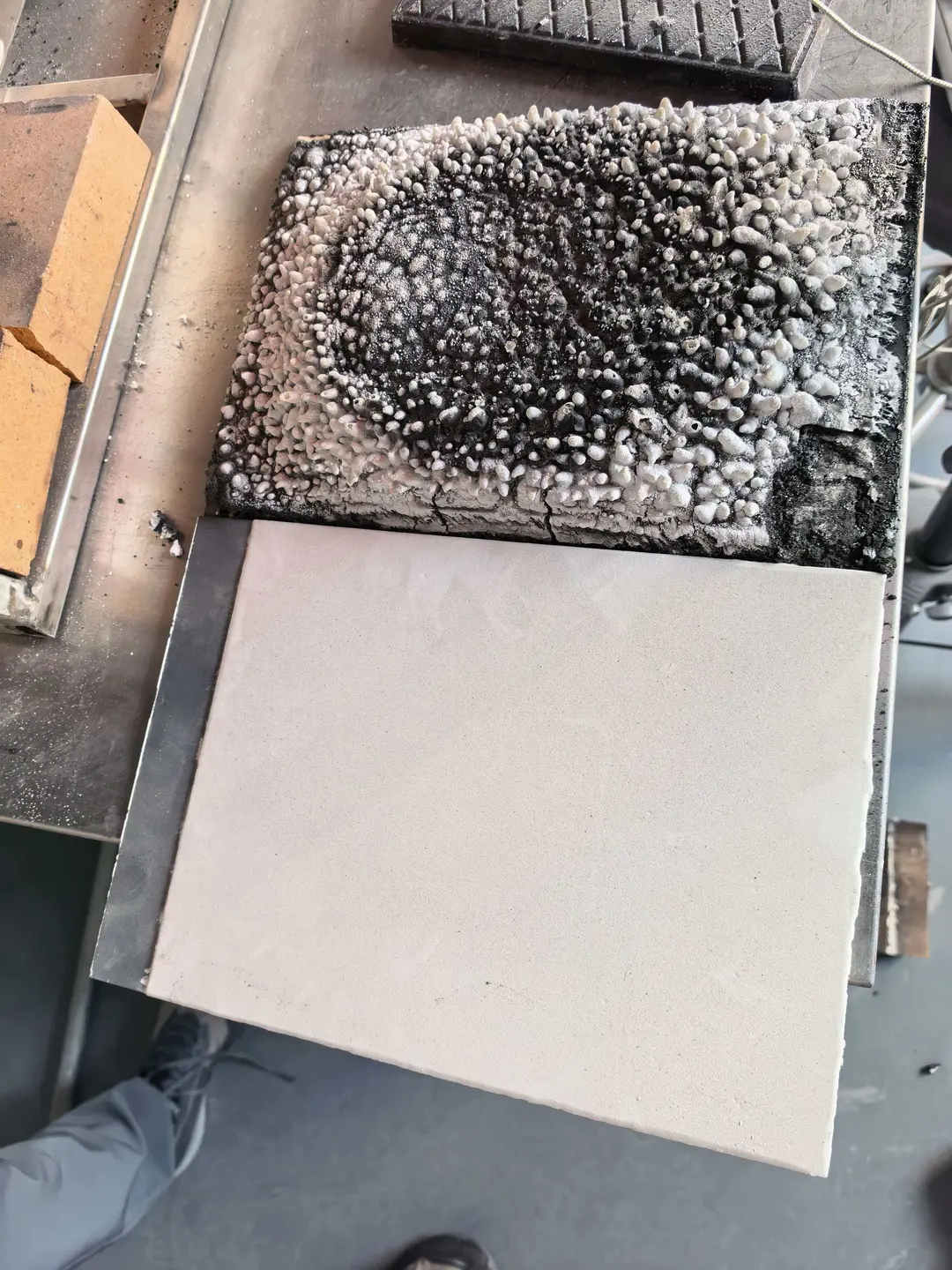
Overview
When it comes to selecting the right insulation coating for industrial applications, many engineers and procurement managers are often left wondering: What are the key factors to consider, and which coating is best suited for their specific needs? This article will guide you through the essential considerations, focusing on the performance, application, and technical specifications of insulation coatings in various industrial settings.
Key Factors in Selecting Insulation Coatings
Selecting the appropriate insulation coating depends on several critical factors, including the operating temperature, environmental conditions, and the substrate material. Suitability should be assessed against the specific requirements of the project, such as thermal resistance, corrosion protection, and ease of application. For instance, in high-temperature industrial zones, the coating must withstand sustained heat without degrading, while in damp underground spaces, moisture resistance is paramount.
Application Scenarios and Performance Requirements
Insulation coatings are used in a wide range of industrial applications, from protecting steel pipes and concrete structures to insulating high-temperature machinery. Each application has unique performance requirements. For example, in the oil and gas industry, the coating must provide excellent thermal insulation and corrosion resistance. In the construction sector, the coating should meet stringent fire safety standards and have strong adhesion properties.
Common Industrial Applications
Oil and Gas Pipelines: Requires high thermal insulation and corrosion resistance.High-Temperature Machinery: Needs coatings that can withstand extreme temperatures.
Construction and HVAC Systems: Must comply with local building codes and fire safety regulations.
Technical Specifications and Operating Conditions
The effectiveness of an insulation coating is determined by its technical specifications and operating conditions. Confirmed technical facts include:
Thermal Conductivity: The lower the thermal conductivity, the better the insulation.Adhesion: Strong adhesion to substrates like steel and concrete is crucial.
Flame Retardancy: The coating should pass relevant fire safety tests.
Corrosion Resistance: Protection against acid-base corrosion and moisture.
| Specification | Value/Range |
|---|---|
| Thermal Conductivity | 0.025 W/m·K |
| Adhesion Strength | 10 N/mm² |
| Flame Retardancy | Passes UL 94 V-0 |
| Corrosion Resistance | 500 hours salt spray test |
Quzhou Qiying Import & Export Co. Capabilities in Insulation Coatings
Quzhou Qiying Import & Export Co. offers a comprehensive range of insulation coatings designed to meet the diverse needs of industrial applications. Our coatings deliver strong adhesion on steel pipes, concrete, and other substrates, featuring flame retardancy, acid-base corrosion resistance, and moisture-proof aging resistance. We also provide pre-sales services, including working condition selection guidance and export compliance consulting, to ensure that our products meet your specific project requirements.
Our core SKUs pass RoHS and fire safety tests, ensuring compliance with strict overseas construction and new-energy environmental regulations. Additionally, we offer low-VOC eco-friendly formulas to prevent hazardous volatile emissions, making our products suitable for environmentally sensitive projects.

Frequently Asked Questions
What are the main benefits of using insulation coatings in industrial applications?
Insulation coatings provide thermal insulation, corrosion protection, and flame retardancy. They help reduce energy loss, extend the lifespan of equipment, and ensure compliance with safety standards.
How do I choose the right insulation coating for my project?
Selection depends on the operating temperature, environmental conditions, and the substrate material. Assess the specific requirements of your project, such as thermal resistance, corrosion protection, and ease of application.
Are there any certifications or tests that the insulation coatings should pass?
Yes, the coatings should pass relevant fire safety tests, such as UL 94 V-0, and comply with environmental standards like RoHS. Third-party testing and certification are also important to ensure product quality and compliance.
Conclusion: Making the Right Choice for Your Industrial Insulation Needs
Choosing the right insulation coating is crucial for the success of your industrial project. By considering the key factors, understanding the application scenarios, and reviewing the technical specifications, you can select a coating that meets your specific needs. For more information or to discuss your project requirements, contact us.