
Selecting High-Temperature Insulation Coatings by Operating Conditions
When selecting high-temperature resistant insulation coatings for industrial applications, it's crucial to consider the specific operating conditions and material requirements. This article will help you understand the k
Overview
When selecting high-temperature resistant insulation coatings for industrial applications, it's crucial to consider the specific operating conditions and material requirements. This article will help you understand the key factors to evaluate, ensuring that the chosen coating provides optimal performance and durability in harsh environments.
Understanding the Key Properties of High-Temperature Resistant Insulation Coatings
High-temperature resistant insulation coatings are designed to protect surfaces from extreme heat, corrosion, and other environmental factors. The primary properties to evaluate include:
Thermal Resistance: The coating should withstand the maximum operating temperature without degrading or losing its insulating properties.Corrosion Resistance: It must provide protection against chemical and environmental corrosion, especially in industrial settings where exposure to acids, bases, and moisture is common.
Adhesion: The coating should adhere well to a variety of substrates, including steel pipes, concrete, and other materials, to ensure long-term durability.
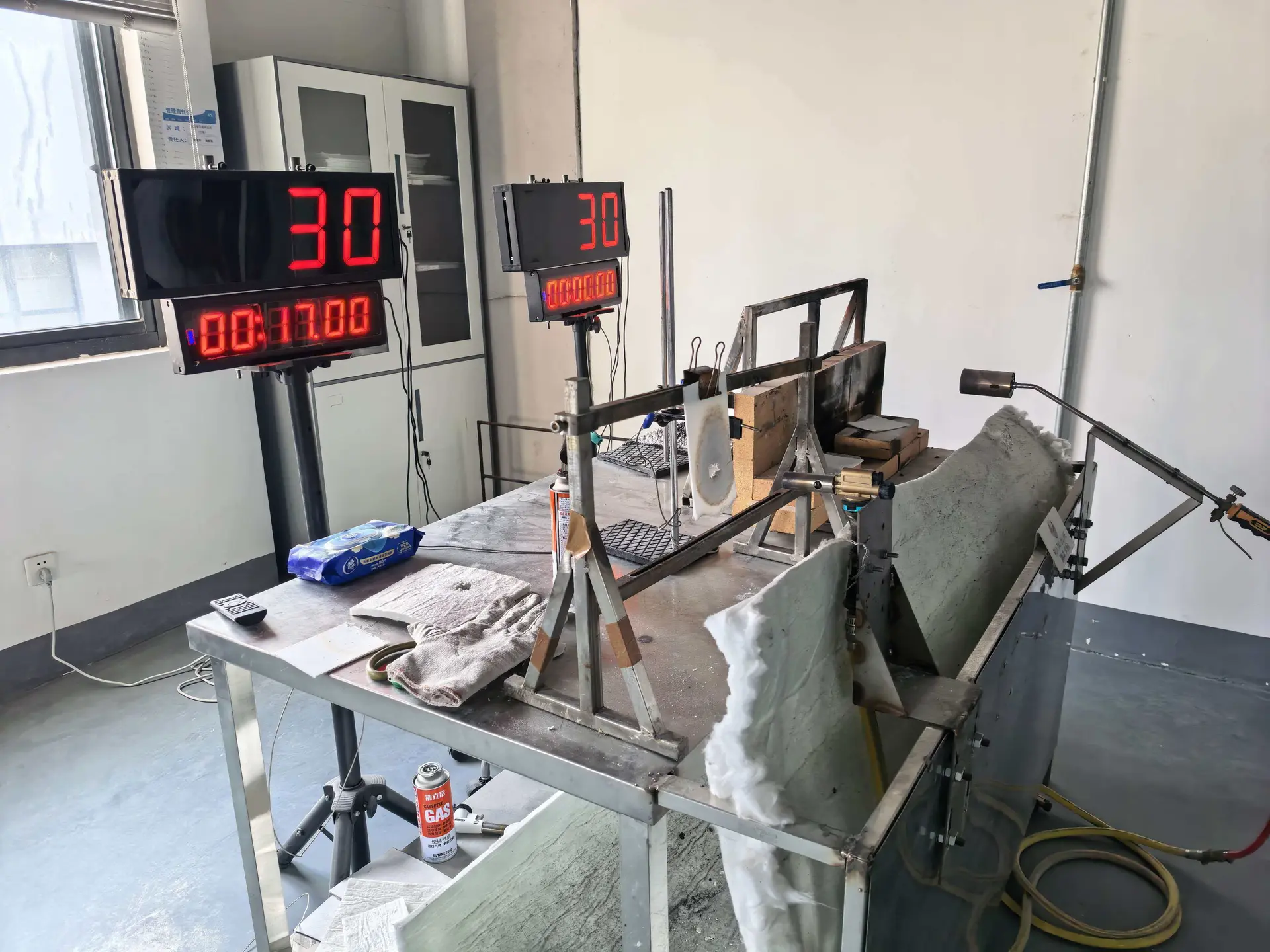
Flame Retardancy: It should meet fire safety standards and resist ignition, reducing the risk of fire hazards.
Moisture and Aging Resistance: The coating should resist moisture and maintain its performance over time, even in damp and outdoor environments.
Selecting the Right Coating for Specific Industrial Applications
Selection depends on the specific application and operating conditions. For example, in high-temperature industrial zones, the coating must handle sustained exposure to heat and corrosive chemicals. In outdoor exposed settings, it needs to resist UV radiation and weathering. For damp underground spaces, moisture resistance is critical.
Factors to Consider
Operating Temperature Range: Ensure the coating can handle the maximum and minimum temperatures in your application.Substrate Compatibility: Verify that the coating adheres well to the specific substrate material, such as steel, concrete, or other surfaces.
Chemical Exposure: Assess the types of chemicals the coating will be exposed to and ensure it provides adequate protection.
Environmental Conditions: Consider the environmental factors, such as humidity, UV exposure, and mechanical wear, that the coating will face.
Performance Data and Certifications
Confirmed performance data and certifications are essential for ensuring the reliability and compliance of the coating. Look for products that have passed third-party tests, such as RoHS and fire safety standards. For instance, cowinmaterials offers insulation coatings that meet these stringent requirements.
| Property | Specification |
|---|---|
| Thermal Conductivity | < 0.1 W/m·K |
| Operating Temperature | Up to 600°C |
| Flame Retardancy | Passes ASTM E84 |
| Corrosion Resistance | Passes ISO 9227 |
| Adhesion | > 5 MPa |
cowinmaterials: Reliable Solutions for High-Temperature Insulation
cowinmaterials provides high-quality, high-temperature resistant insulation coatings that meet the demands of various industrial applications. Our coatings deliver strong adhesion, flame retardancy, and corrosion resistance, making them suitable for use in harsh environments. We offer pre-sales services, including working condition selection guidance and heat & corrosion resistance parameter calculations, to ensure the right product is selected for your specific needs. Additionally, we support bulk spot wholesale, formula OEM customization, and custom size cutting processing.
Frequently Asked Questions
What is the maximum operating temperature for high-temperature resistant insulation coatings?
The maximum operating temperature for high-temperature resistant insulation coatings can vary, but many high-quality coatings, such as those offered by cowinmaterials, can handle temperatures up to 600°C.
How do I ensure the coating adheres well to my substrate?
To ensure good adhesion, it is important to prepare the substrate properly by cleaning and priming it. Follow the manufacturer's guidelines for surface preparation and application. cowinmaterials provides detailed instructions and technical support to help with this process.
Are there any environmental regulations I need to be aware of when using these coatings?
Yes, it is important to choose coatings that comply with local and international environmental regulations, such as RoHS and low-VOC standards. cowinmaterials offers eco-friendly, low-VOC formulas that meet these requirements.
Next Steps for Your High-Temperature Insulation Project
If you are looking for reliable, high-temperature resistant insulation coatings, contact us to discuss your specific project requirements and receive tailored solutions. Our team is ready to assist with technical information, sample testing, and bulk order inquiries.
