
Evaluating Flame-Retardant Insulation Coatings: Key Selection Criteria for Industrial Applications
When selecting flame-retardant insulation coatings for industrial applications, it's crucial to consider several key factors. This article will guide you through the essential criteria to ensure that the chosen coating m

Overview
When selecting flame-retardant insulation coatings for industrial applications, it's crucial to consider several key factors. This article will guide you through the essential criteria to ensure that the chosen coating meets your specific needs and complies with safety and performance standards.
Understanding the Importance of Flame-Retardant Properties
Flame-retardant insulation coatings are designed to reduce the spread of fire and protect underlying materials from heat damage. These coatings are particularly important in industrial settings where high temperatures and potential fire hazards are common. The primary function of these coatings is to provide a barrier that delays the ignition and spread of flames, thereby giving more time for evacuation and firefighting efforts.
Key Characteristics of Flame-Retardant Coatings
Flame Retardancy: The ability to resist and slow down the spread of fire.Thermal Insulation: Effective in reducing heat transfer and maintaining a stable temperature.
Chemical Resistance: Resistant to acids, bases, and other corrosive substances.
Adhesion: Strong bonding to substrates such as steel pipes, concrete, and other surfaces.
Durability: Long-lasting performance under harsh conditions.
Assessing the Suitability of Flame-Retardant Coatings for Your Application
Selection depends on the specific requirements of your industrial application. Here are some critical factors to consider:
1. Material Compatibility
Ensure that the coating is compatible with the substrate material. For example, if you are applying the coating to steel pipes, it should have strong adhesion properties to prevent peeling or flaking.
2. Fire Safety Standards
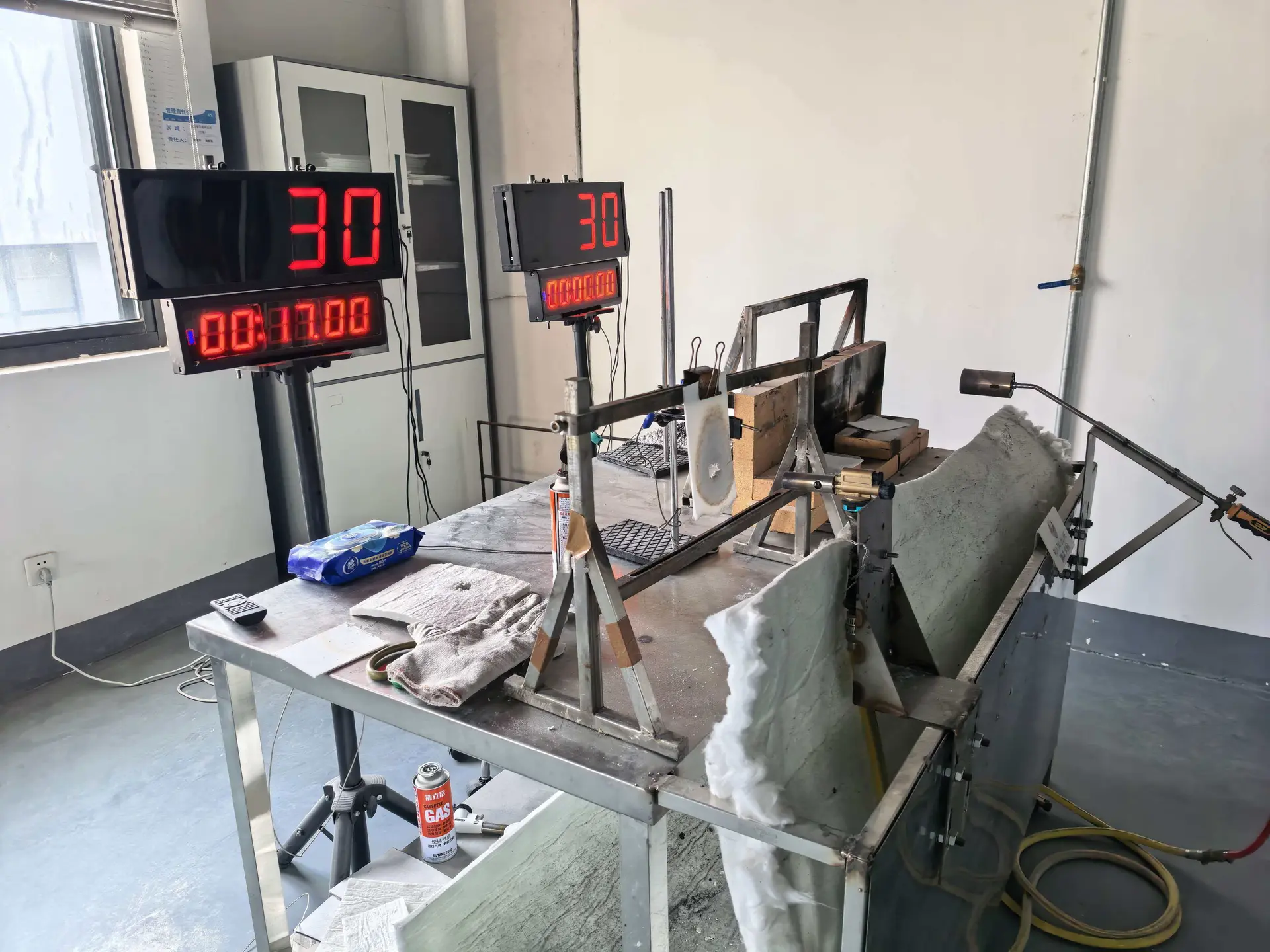
Check if the coating meets the required fire safety standards. Common certifications include UL 94 (Underwriters Laboratories) and EN 13501-1 (European Standard). These standards ensure that the coating provides adequate fire resistance and flame retardancy.
3. Thermal Performance
Evaluate the thermal conductivity and insulating properties of the coating. A lower thermal conductivity value indicates better insulation, which is crucial for maintaining a consistent temperature and preventing heat loss.
4. Environmental Conditions
Consider the environmental conditions where the coating will be applied. Factors such as temperature, humidity, and exposure to chemicals can affect the coating's performance. Ensure that the coating is resistant to these conditions to maintain its effectiveness over time.
5. Application Method
Determine the most suitable application method for your project. Flame-retardant coatings can be applied using various methods, including spraying, brushing, or rolling. The choice of method depends on the size of the area, the complexity of the surface, and the desired finish.
Technical Specifications and Operating Conditions
To make an informed decision, it's essential to review the technical specifications and operating conditions of the flame-retardant insulation coating. Below is a summary of key technical facts and operating conditions:
| Parameter | Value/Condition |
|---|---|
| Flame Retardancy | Meets UL 94 V-0 standard |
| Thermal Conductivity | ≤ 0.03 W/m·K |
| Chemical Resistance | Resistant to acids, bases, and solvents |
| Adhesion | Strong bonding to steel, concrete, and other substrates |
| Operating Temperature Range | -40°C to +200°C |
| Humidity Resistance | Up to 95% relative humidity |
Cowinmaterials' Capabilities in Flame-Retardant Insulation Coatings
Cowinmaterials offers a range of flame-retardant insulation coatings that meet the stringent requirements of industrial applications. Our products are designed to provide superior fire resistance, thermal insulation, and durability. We support bulk spot wholesale, formula OEM customization, and custom size cutting processing. Our pre-sales services include working condition selection guidance, heat and corrosion resistance parameter calculation, export compliance consulting, and cross-border logistics planning. Learn more about our insulation coatings.
Case Studies and Certifications
German Industrial Piping Contractor: Applied custom high-temperature anti-corrosion insulating coatings, reducing annual pipeline corrosion maintenance frequency by 29%.Southeast Asian Photovoltaic Power Station: Procured water-repellent aerogel rolls in bulk, lowering energy waste from equipment heat loss by 24%.
Our core SKUs pass RoHS and fire safety tests, ensuring compliance with strict overseas construction and new-energy environmental regulations. We also provide complete customs declaration and test documentation to mitigate customs detention risks.
Frequently Asked Questions
What are the key benefits of using flame-retardant insulation coatings?
Flame-retardant insulation coatings provide essential protection against fire, reduce heat transfer, and offer chemical resistance. They are ideal for industrial applications where safety and performance are critical.
How do I ensure the coating is compatible with my substrate?
Check the manufacturer's technical data sheet for compatibility information. You can also consult with the supplier to confirm the coating's suitability for your specific substrate.
What are the common fire safety standards for flame-retardant coatings?
Common fire safety standards include UL 94 (Underwriters Laboratories) and EN 13501-1 (European Standard). These standards ensure that the coating provides adequate fire resistance and flame retardancy.
Conclusion: Making the Right Choice for Your Industrial Application
Selecting the right flame-retardant insulation coating involves considering factors such as material compatibility, fire safety standards, thermal performance, and environmental conditions. Cowinmaterials offers high-quality, certified coatings that meet these criteria, providing reliable protection and performance. For more information or to discuss your specific project requirements, contact us today.