Evaluating Flame-Retardant Insulation Coating Manufacturers for Industrial Applications
When evaluating flame-retardant insulation coating manufacturers for industrial applications, it's crucial to consider factors such as the material's adhesion, thermal resistance, and compliance with safety standards. Th
Overview
When evaluating flame-retardant insulation coating manufacturers for industrial applications, it's crucial to consider factors such as the material's adhesion, thermal resistance, and compliance with safety standards. This article will help you understand the key criteria and provide insights into selecting the right manufacturer for your specific needs.
Key Criteria for Selecting Flame-Retardant Insulation Coatings
Adhesion and Durability
The effectiveness of a flame-retardant insulation coating largely depends on its adhesion to the substrate. For industrial applications, the coating must adhere well to materials like steel pipes, concrete, and other surfaces. The durability of the coating under harsh conditions, such as high temperatures and exposure to chemicals, is also critical.
Thermal Resistance
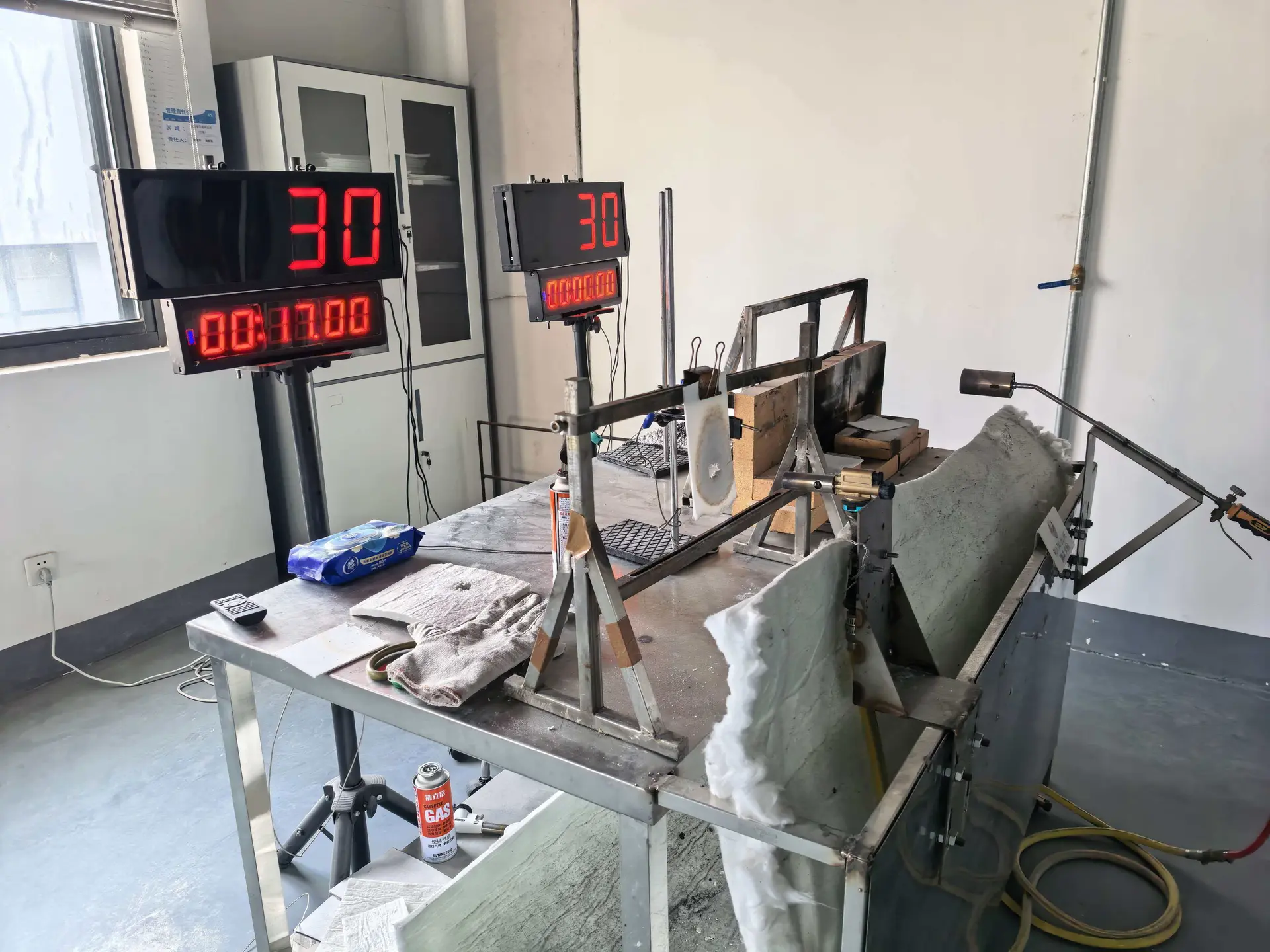
Thermal resistance is another essential factor. The coating should be able to withstand high temperatures without degrading or losing its insulating properties. This is particularly important in environments where the substrate is exposed to sustained heat, such as in industrial zones or near high-temperature machinery.
Compliance with Safety Standards
Compliance with safety standards, such as RoHS and fire safety tests, is non-negotiable. These certifications ensure that the coating meets international and local regulations, providing peace of mind and reducing the risk of non-compliance issues during inspections.
Operating Conditions and Suitability
Operating Temperature Range
The operating temperature range is a critical parameter. Selection depends on the specific application and the maximum and minimum temperatures the coating will be exposed to. For example, in high-temperature industrial zones, the coating must maintain its integrity and performance at temperatures up to 500°C.
Environmental Factors
Environmental factors, such as humidity, UV exposure, and chemical exposure, should also be considered. The appropriate configuration may vary with the specific environmental conditions of the application site. For instance, in damp underground spaces, the coating must be moisture-proof and resistant to aging.
Application Methods
The method of application can significantly impact the performance of the coating. Common methods include spray application, brush application, and roller application. The suitability of each method should be assessed against the specific requirements of the project, such as the size of the area to be coated and the desired thickness of the coating.
Performance Data and Certifications
| Manufacturer | Adhesion (MPa) | Thermal Resistance (°C) | Fire Rating | RoHS Compliance |
|---|---|---|---|---|
| cowinmaterials | 1.5 | 500 | Class A | Yes |
| Competitor A | 1.2 | 450 | Class B | Yes |
| Competitor B | 1.3 | 480 | Class B | Yes |
cowinmaterials offers a robust solution with strong adhesion, high thermal resistance, and a Class A fire rating. Their coatings are RoHS compliant, ensuring they meet stringent international standards.
cowinmaterials: Your Trusted Partner for Flame-Retardant Insulation Coatings
cowinmaterials, a sub-brand of Quzhou Qiying Import & Export Co., Ltd., specializes in providing high-quality flame-retardant insulation coatings for industrial applications. Our coatings deliver strong adhesion on various substrates, including steel pipes and concrete, and feature excellent flame retardancy, acid-base corrosion resistance, and moisture-proof aging resistance. Learn more about our products.
Our team has years of export experience and enforces strict quality benchmarks centered on long-lasting thermal performance and environmental safety. We offer pre-sales services, including working condition selection guidance, heat and corrosion resistance parameter calculations, and export compliance consulting. Our after-sales support includes damaged goods replenishment, remote technical guidance for on-site construction, and long-term warranty support for engineering projects.
Frequently Asked Questions
What are the key factors to consider when selecting a flame-retardant insulation coating?
Answer: Key factors include adhesion to the substrate, thermal resistance, compliance with safety standards, operating temperature range, and environmental factors. The appropriate configuration may vary with the specific application and conditions.
How does the application method affect the performance of the coating?
Answer: The application method, such as spray, brush, or roller, can impact the uniformity and thickness of the coating. The suitability of each method should be assessed based on the project's specific requirements and the desired outcome.
What certifications should I look for in a flame-retardant insulation coating?
Answer: Look for certifications such as RoHS and fire safety tests. These ensure that the coating meets international and local regulations, providing assurance of its safety and performance.
Make an Informed Decision for Your Industrial Application
Choosing the right flame-retardant insulation coating manufacturer is crucial for the success and safety of your industrial project. cowinmaterials offers a reliable and high-performance solution, backed by years of experience and a commitment to quality. Contact us to discuss your specific needs and receive a tailored solution.