
Evaluating Aerogel Material for Thermal Conductivity in Industrial Applications
When considering the thermal conductivity of aerogel materials for industrial applications, it is essential to understand their performance and suitability. This article will help you evaluate aerogel materials, focusing
Overview
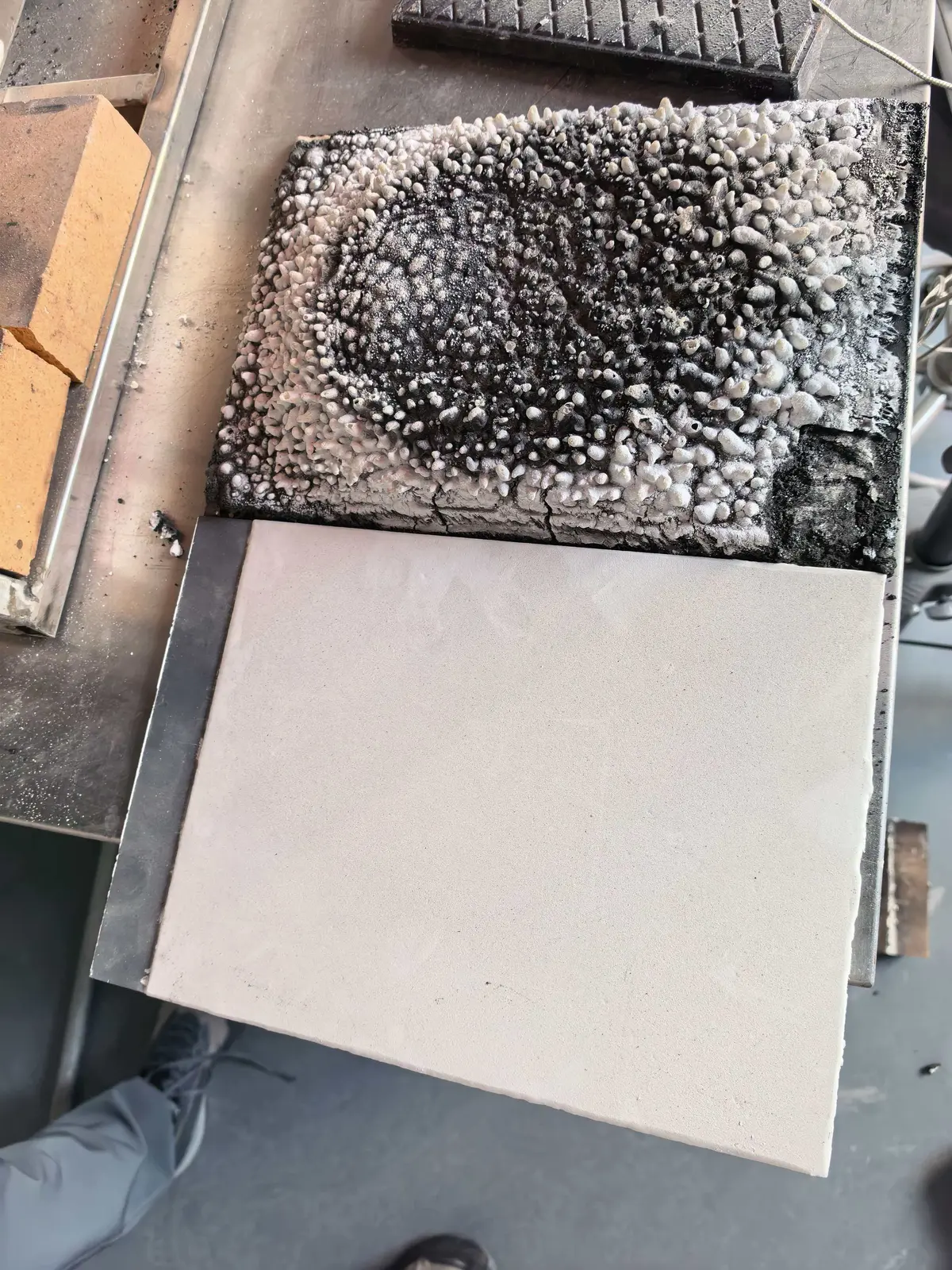
When considering the thermal conductivity of aerogel materials for industrial applications, it is essential to understand their performance and suitability. This article will help you evaluate aerogel materials, focusing on their ultra-low thermal conductivity, pressure resistance, and other key properties, specifically for use in high-temperature machinery and narrow pipelines.
Understanding the Thermal Conductivity of Aerogel Materials
Aerogel materials are known for their exceptional thermal insulation properties, primarily due to their ultra-low thermal conductivity. The thermal conductivity of aerogels typically ranges from 0.015 to 0.03 W/m·K, making them one of the most effective insulating materials available. This low thermal conductivity is achieved through the unique structure of aerogels, which consists of a highly porous network of interconnected nanoparticles. This structure traps air within the material, significantly reducing heat transfer.
Key Properties of Aerogel Materials
Ultra-Low Thermal Conductivity: Aerogels have a thermal conductivity as low as 0.015 W/m·K, which is much lower than traditional insulating materials.Pressure Resistance: Despite their lightweight nature, aerogels can withstand significant pressure, making them suitable for use in high-pressure environments.
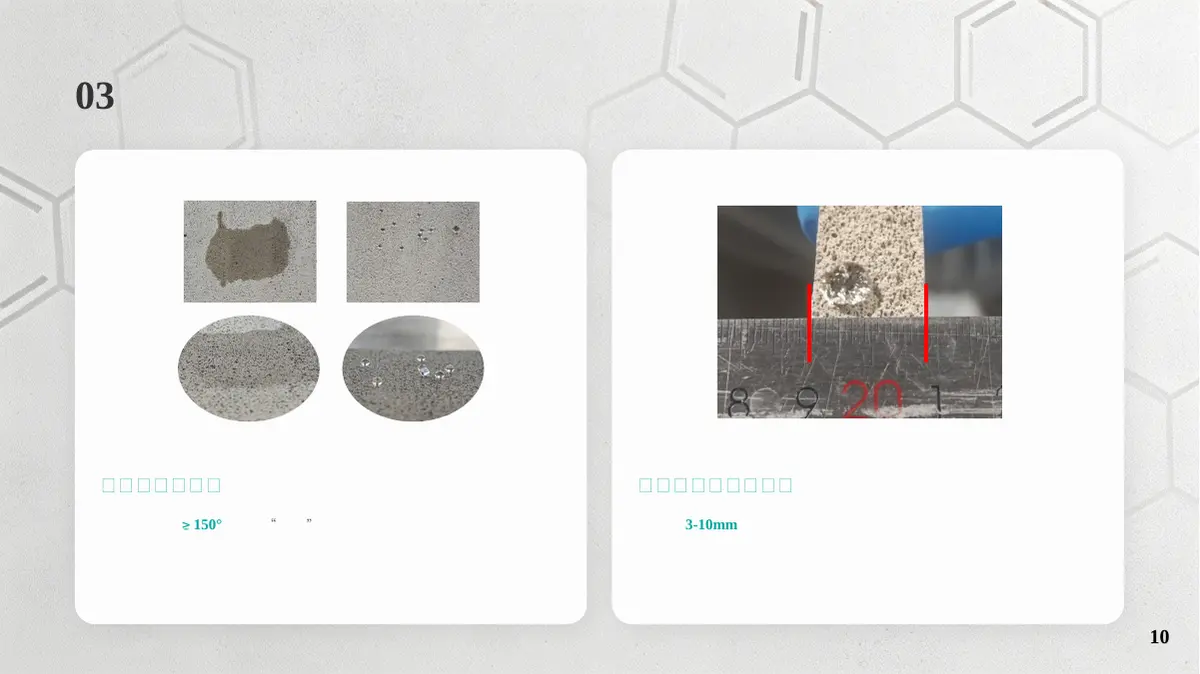
Water Repellency: Aerogels are hydrophobic, which means they repel water and prevent moisture from degrading their insulating properties.
Flame Retardancy: Many aerogel materials are inherently flame retardant, providing an additional layer of safety in industrial settings.
Selecting the Right Aerogel Material for Your Application
Selection depends on the specific requirements of your industrial application. Factors such as operating temperature, pressure, and environmental conditions should be considered. For instance, if your application involves high-temperature machinery, you may need an aerogel material with enhanced thermal stability and flame retardancy. Conversely, if the application is in a damp or underground environment, a more hydrophobic aerogel may be necessary.
Factors to Consider
Operating Temperature: Ensure the aerogel material can withstand the maximum temperature of your application.Environmental Conditions: Assess the presence of moisture, chemicals, and other environmental factors that could affect the material's performance.
Mechanical Strength: Determine the required mechanical strength and pressure resistance for your application.
Comparing Aerogel Materials with Other Insulation Options
When evaluating aerogel materials, it is useful to compare them with other common insulation options, such as fiberglass, mineral wool, and foam. While these materials are widely used, they often have higher thermal conductivities and may not provide the same level of insulation as aerogels.
| Insulation Material | Thermal Conductivity (W/m·K) | Pressure Resistance | Water Repellency | Flame Retardancy |
|---|---|---|---|---|
| Aerogel | 0.015 - 0.03 | High | Excellent | Excellent |
| Fiberglass | 0.03 - 0.04 | Moderate | Poor | Good |
| Mineral Wool | 0.03 - 0.04 | Moderate | Poor | Good |
| Foam | 0.02 - 0.04 | Low to Moderate | Fair | Good |
Quzhou Qiying Import & Export Co., Ltd. Capabilities in Aerogel Insulation
Quzhou Qiying Import & Export Co., Ltd. offers a range of high-quality aerogel insulation materials designed for various industrial applications. Our products, including [insulating coatings and aerogel thermal insulation materials], are tailored to meet the specific needs of our clients. We provide pre-sales services such as working condition selection guidance, heat and corrosion resistance parameter calculation, and export compliance consulting. Additionally, we offer after-sales support, including damaged goods replenishment, remote technical guidance, and long-term warranty support.
For more information on our aerogel insulation solutions, visit our product page.
Frequently Asked Questions
What are the primary benefits of using aerogel materials for thermal insulation?
Aerogel materials offer ultra-low thermal conductivity, excellent pressure resistance, water repellency, and flame retardancy, making them ideal for high-temperature and high-pressure industrial applications.
How does the thermal conductivity of aerogel compare to traditional insulation materials?
Aerogel has a much lower thermal conductivity, typically ranging from 0.015 to 0.03 W/m·K, compared to traditional materials like fiberglass and mineral wool, which have thermal conductivities around 0.03 to 0.04 W/m·K.
Can aerogel materials be used in damp or underwater environments?
Yes, aerogel materials are hydrophobic and can be used in damp or underwater environments without losing their insulating properties.
Conclusion: Optimal Thermal Insulation with Aerogel Materials
Evaluating aerogel materials for thermal conductivity in industrial applications reveals their superior insulating properties, pressure resistance, and durability. By considering the specific requirements of your application, you can select the right aerogel material to achieve optimal thermal performance. For more information and to discuss your project needs, contact us.